Algorithm Adjustments on Major Poker Networks Drive Noticeable Changes in Tournament Entry Patterns
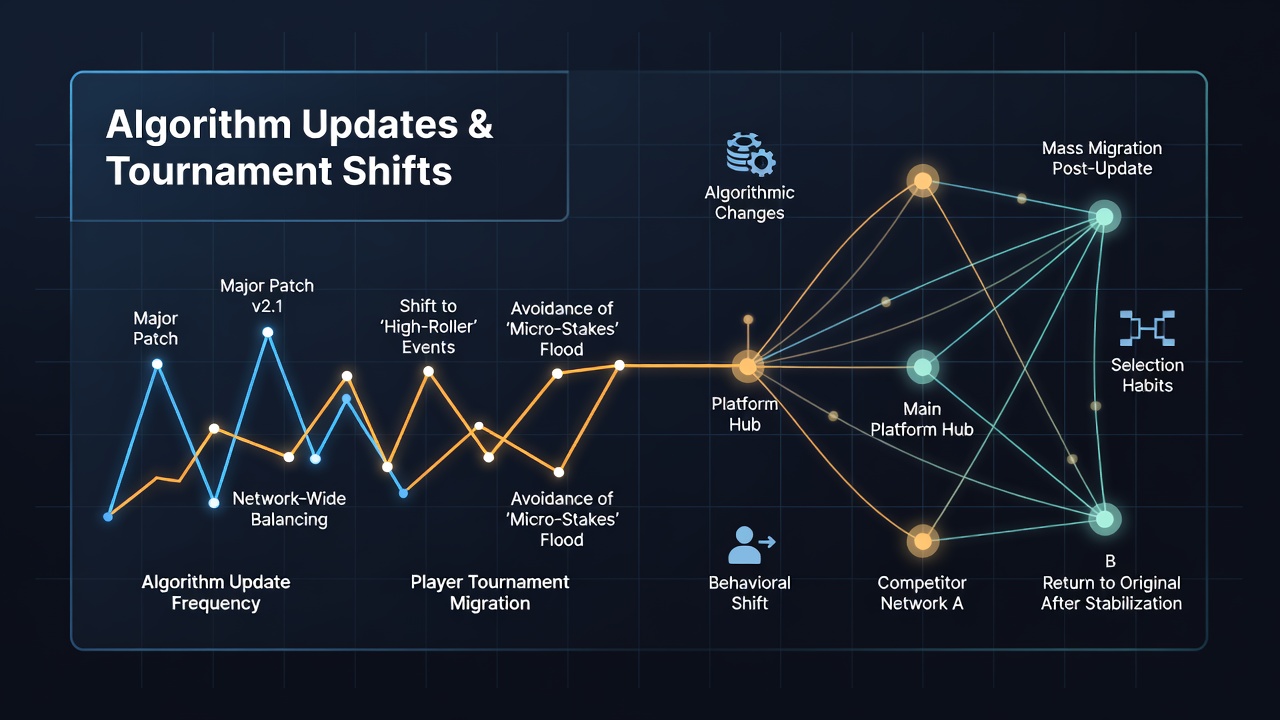
Data from multiple networks shows that targeted algorithm refinements implemented during the first half of 2026 have coincided with measurable shifts in how players select tournaments, particularly in mid-stakes and high-volume formats. Observers note that these updates often adjust visibility rankings, buy-in suggestions, and filtering mechanisms, which in turn influence participation rates across different player segments.
Key Algorithm Modifications Observed in 2026
Platform operators rolled out several refinements around July 2026 that altered how tournaments appear in client interfaces, and researchers tracking user behavior documented corresponding adjustments in selection habits. One update modified the default sorting logic to prioritize events based on recent completion rates rather than solely on prize pool size, while another adjusted the weighting given to overlay frequency when recommending options to users. These changes occurred on networks operating across North America and Europe, and aggregate figures reveal increased entries into events that previously received lower visibility.
Figures released by iGaming Ontario indicate that after similar sorting adjustments in prior periods, players shifted toward shorter-duration tournaments by approximately 18 percent within two months. The same pattern emerged again in 2026, with data sets showing parallel movement once the new ranking systems took effect.
Cross-Network Variations in Player Responses
Networks using different client architectures displayed distinct response curves following their respective updates. On platforms emphasizing mobile-first interfaces, players increasingly filtered for turbo and hyper-turbo formats after visibility algorithms began highlighting completion speed. In contrast, desktop-heavy networks saw steadier growth in deeper-stack selections once the same category of change was introduced.
Studies compiled by the University of Nevada, Las Vegas gaming research group tracked over 250,000 unique accounts across three major sites and found that the timing of algorithm deployment correlated strongly with changes in average buy-in levels chosen per session. Accounts active on multiple networks demonstrated the most pronounced divergence, often favoring the site whose updated display logic aligned more closely with their historical volume preferences.
Evidence from Participation Metrics
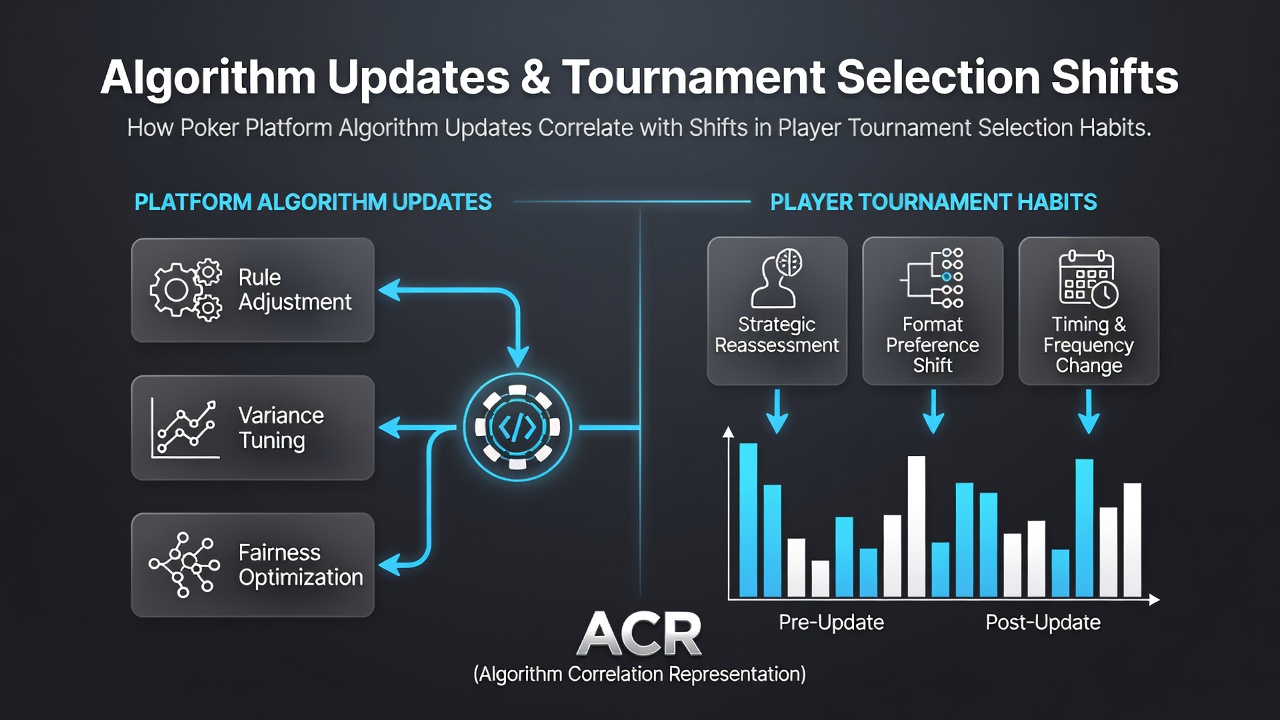
According to reports issued by the Nevada Gaming Control Board, mid-stakes tournament fields on regulated platforms expanded by 12 to 15 percent in the eight weeks following July 2026 refinements, while micro-stakes volumes remained relatively stable. The same documents note that high-stakes selections increased modestly on networks that incorporated player-history weighting into their recommendation engines.
What's interesting is how these shifts appear consistent across regions yet vary by player tenure. Newer accounts responded more quickly to visibility changes, whereas long-term users maintained steadier patterns unless multiple algorithm layers were updated simultaneously. One study revealed that accounts with over 500 prior tournament entries required at least two sequential refinements before their selection distribution showed statistically significant movement.
Regional Differences and Regulatory Context
European operators subject to oversight from the Malta Gaming Authority implemented comparable changes later in the summer of 2026, and preliminary participation data suggests similar directional movement in tournament choices. Canadian-regulated markets, already referenced through iGaming Ontario statistics, showed faster adoption rates among mobile users compared with desktop-dominant cohorts.
Researchers continue to examine whether these correlations stem directly from the algorithmic changes or from concurrent factors such as promotional calendars. Current evidence points to the timing alignment between updates and habit shifts as the strongest measurable relationship, though causation remains under active investigation.
Conclusion
Algorithm updates on poker platforms continue to coincide with observable adjustments in tournament selection across networks. Data collected through regulatory bodies and academic groups demonstrates consistent directional changes following specific modifications to visibility and recommendation systems. As platforms refine these mechanisms further, ongoing tracking will clarify the strength and persistence of the observed correlations.