Cryptocurrency Integrations Transforming Freeroll Dynamics on International Poker Sites
Data from multiple networks shows cryptocurrency wallet integrations have altered how players access freerolls, with transaction speeds and verification processes playing key roles in entry timing across regions. Observers note that platforms adopting these tools often see shifts in participation rates, especially when deposits clear faster than traditional banking methods allow.
Wallet Technology and Network Adaptations
Global poker operators have incorporated digital wallets supporting assets like Bitcoin and stablecoins, which connect directly to player accounts and streamline entry into scheduled freerolls. Research indicates these connections reduce processing delays from hours to minutes, allowing participants to meet registration windows that close quickly on networks operating across time zones. In June 2026 several major sites updated their APIs to handle multi-currency conversions automatically, which aligned with rising volumes of wallet-based entries during peak tournament periods.
Those monitoring participation patterns report that players using integrated wallets tend to enter events earlier in the registration cycle, whereas traditional deposit users cluster closer to deadlines. This timing difference stems from instant balance updates that remove the need for manual confirmation steps still required in fiat systems.
Regional Variations in Entry Patterns
European networks display higher adoption rates for wallet integrations compared with some North American counterparts, where regulatory frameworks continue to evolve around digital asset use in gaming. Figures from industry reports reveal that Australian and Canadian operators have implemented similar tools with measurable increases in freeroll sign-ups during off-peak hours, when wallet transactions face fewer network congestion issues. One study from a European research institution tracked entry data over twelve months and found wallet-linked accounts completed registrations at rates 18 percent higher than non-integrated profiles during the same windows.
What's interesting is how these tools interact with promotional structures, as certain networks tie bonus releases to wallet deposits that automatically qualify players for upcoming freerolls without additional verification layers.
Data Trends and Participation Metrics
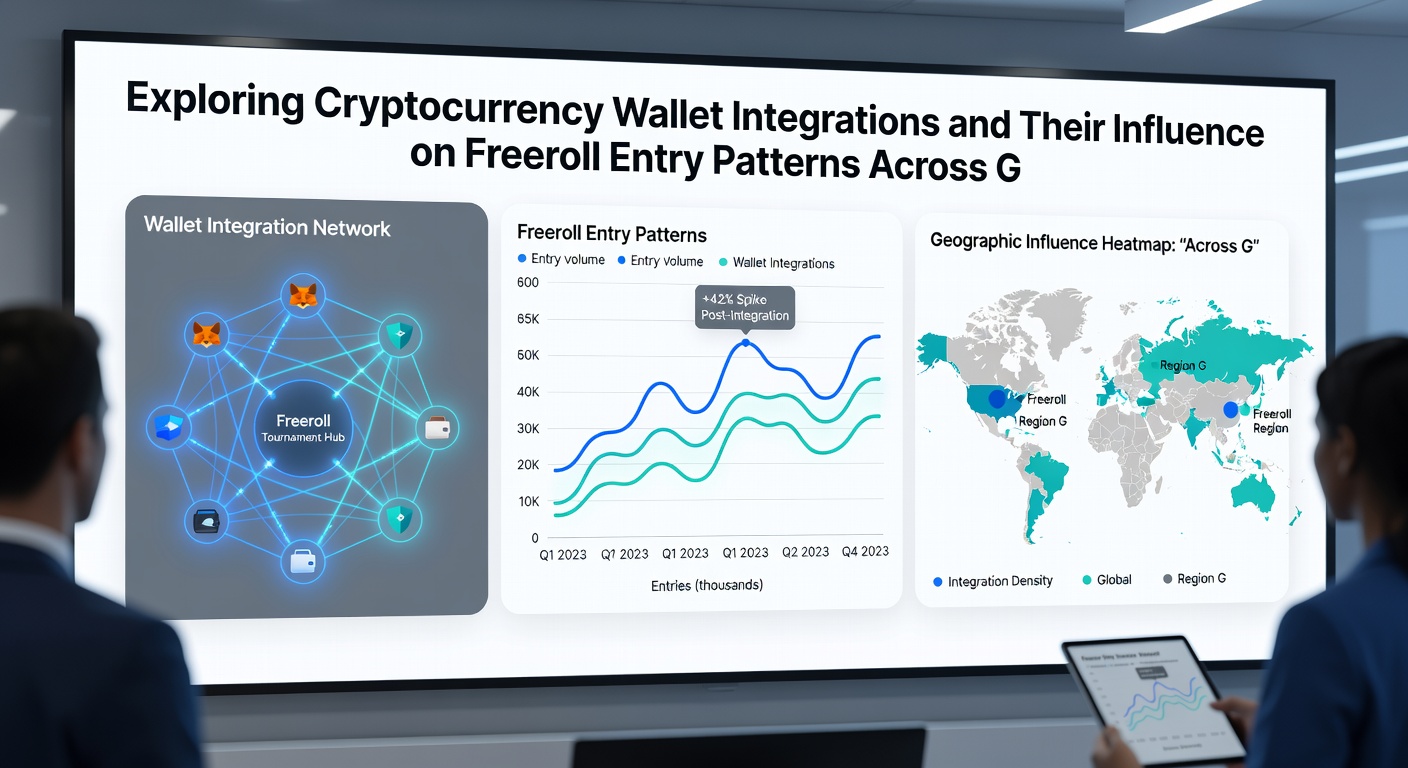
Analytics shared by platform operators indicate that wallet integration correlates with steadier entry flows rather than last-minute surges, particularly on networks running daily micro-freerolls. According to a report from the Nevada Gaming Control Board on emerging payment technologies, digital asset volumes in gaming contexts grew steadily through early 2026, with poker applications representing a notable segment of that expansion. Players who link wallets frequently complete multiple entries across different sites within short timeframes, since single transactions can fund accounts on several networks simultaneously.
Yet patterns also show that volatility in certain cryptocurrencies occasionally delays entries when conversion rates fluctuate mid-transaction, prompting some operators to introduce stablecoin-only options that maintain consistent valuation during the entry process. Researchers at academic centers studying digital finance have documented these effects in controlled comparisons between wallet users and those relying on card or wire transfers.
Security Protocols and Player Behavior
Enhanced security features built into modern wallets, including multi-signature approvals and on-chain verification, have influenced how networks handle freeroll qualifications. Data shows reduced instances of disputed entries when transactions carry immutable records, which operators reference during disputes over timing or eligibility. Those tracking user behavior note that players often maintain separate wallet addresses dedicated to poker activity, separating gaming funds from other holdings to simplify tax reporting and compliance checks required in various jurisdictions.
Industry associations in regions like Malta and Singapore have published guidelines encouraging transparent wallet disclosures, which several networks adopted ahead of June 2026 schedule expansions that added more international freeroll series.
Future Integration Pathways
Continued development of cross-chain compatibility promises further refinements in how wallets interact with poker platforms, potentially expanding access to freerolls hosted on emerging decentralized networks. Current evidence suggests that operators prioritizing seamless wallet connections maintain higher retention among mobile users who value quick entry without leaving the app environment.
Conclusion
Overall, cryptocurrency wallet integrations have produced measurable shifts in freeroll entry timing and volume across global poker networks, driven by faster processing and evolving regional regulations. Continued monitoring of these patterns will clarify long-term effects on participation structures as technology and oversight advance in parallel.