Digital Payment Evolutions Alter Tournament Entry Dynamics Across International Poker Platforms
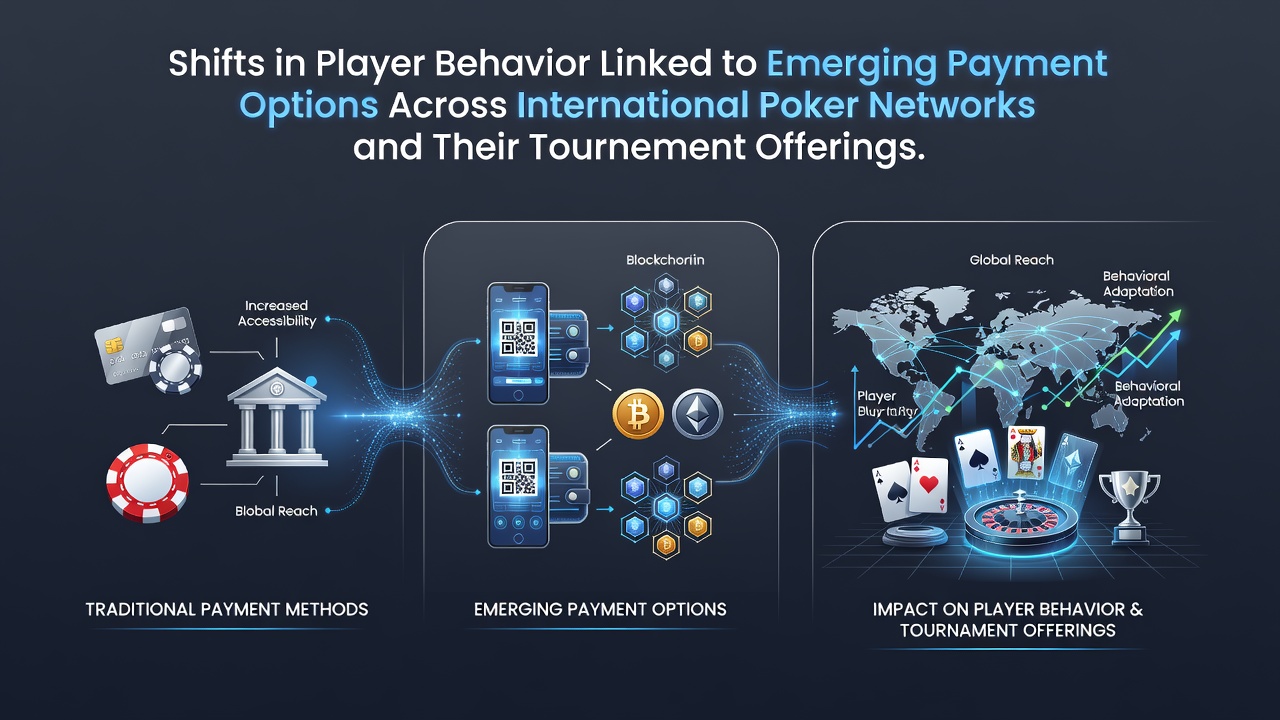
Data from multiple networks shows that emerging payment options continue to reshape how participants approach tournament entries on global platforms. Real-time funding tools and digital wallet integrations allow quicker deposits, which in turn affect the timing and frequency of sign-ups for events ranging from micro-stakes to high-roller series. Observers note that players often adjust their schedules around instant transaction confirmations rather than waiting for traditional bank processing periods.
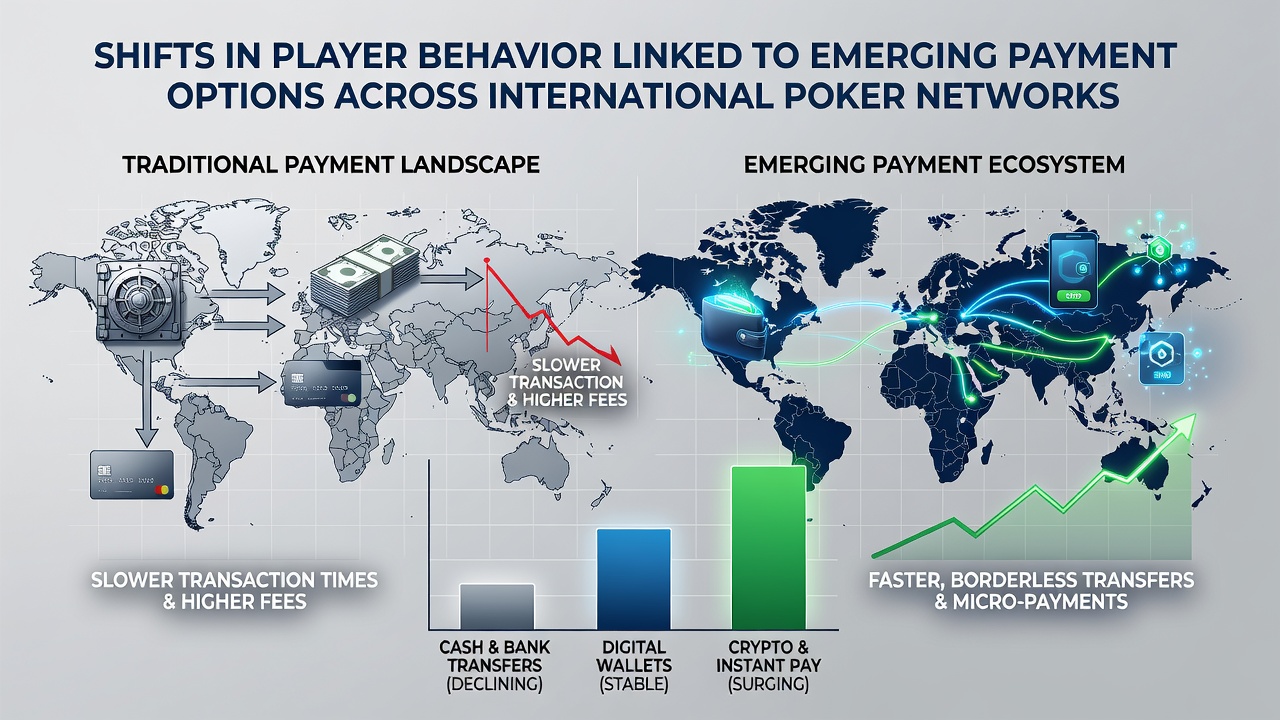
International operators report increased participation in daily tournaments when cryptocurrency options or instant bank transfers become available. Figures from July 2026 indicate that networks offering these methods saw entry volumes rise in regions where regulatory frameworks permit such integrations. Those who track these patterns point to reduced friction in the deposit process as a key factor driving repeated entries within the same session.
Regional Variations in Payment Adoption
European markets demonstrate steady growth in e-wallet usage for poker tournament funding, while North American platforms highlight mobile app integrations with local banking systems. Australian regulators have documented shifts toward prepaid card options that link directly to tournament software. In each case, the speed of funding correlates with changes in how regularly players join multi-table events.
One study released by the European Gaming and Betting Association examined transaction logs across several networks and found that average time between deposit and tournament registration dropped significantly after new payment features launched. Participants in tracked cohorts entered more events per week once instant options appeared, though total bankroll allocation remained consistent with prior patterns.
Impact on Tournament Structures and Offerings
Networks have responded by expanding late-registration windows and adding satellite events that accept multiple funding types. These adjustments accommodate players who complete deposits closer to start times. Data indicates that turbo and hyper-turbo formats gain traction when real-time solutions reduce barriers to last-minute entries.
Observers tracking July 2026 schedules across major sites note that operators introduced more overlay-protected events in regions with high adoption of digital wallets. The result appears in participation graphs showing steadier attendance across time zones, as funding methods no longer limit access based on banking hours.
Behavioral Shifts Among Regular Participants
Regular tournament players demonstrate modified habits once multiple payment rails become available. Many segment their bankrolls across different funding methods to maximize promotional matches tied to specific deposit types. Research from the University of Nevada's gaming studies unit tracked a sample of mid-stakes grinders and recorded more frequent but smaller entries when instant options removed processing delays.
Freeroll and satellite participation also reflects these changes. Platforms that integrated crypto and digital wallet support reported higher conversion rates from free events to paid buy-ins, since players could fund accounts immediately upon qualifying. This pattern holds across networks serving players from Canada, where the Alcohol and Gaming Commission of Ontario oversees licensed operations, to markets in Asia-Pacific.
Network-Level Adaptations
Poker networks continue refining client software to surface available payment methods at the point of tournament selection. These updates reduce the steps between deciding to enter and completing registration. Industry reports show that networks with seamless wallet connections maintain higher retention rates for series spanning multiple weeks.
What's notable is the way deposit timing now aligns with satellite structures. Players who previously planned entries days ahead now monitor funding availability in real time, allowing them to target specific overlays or guaranteed prize pools. The ball remains in the networks' court to maintain security while expanding these options.
Conclusion
Payment system advances have produced measurable changes in how participants interact with international poker tournament offerings. Evidence from regulatory bodies and academic tracking continues to document shifts in entry timing, volume, and format preferences. As networks introduce further refinements, these behavioral patterns are likely to evolve alongside the available funding tools.