Digital Wallet Transformations and Their Impact on Freeroll Access Patterns in Mobile Poker Networks
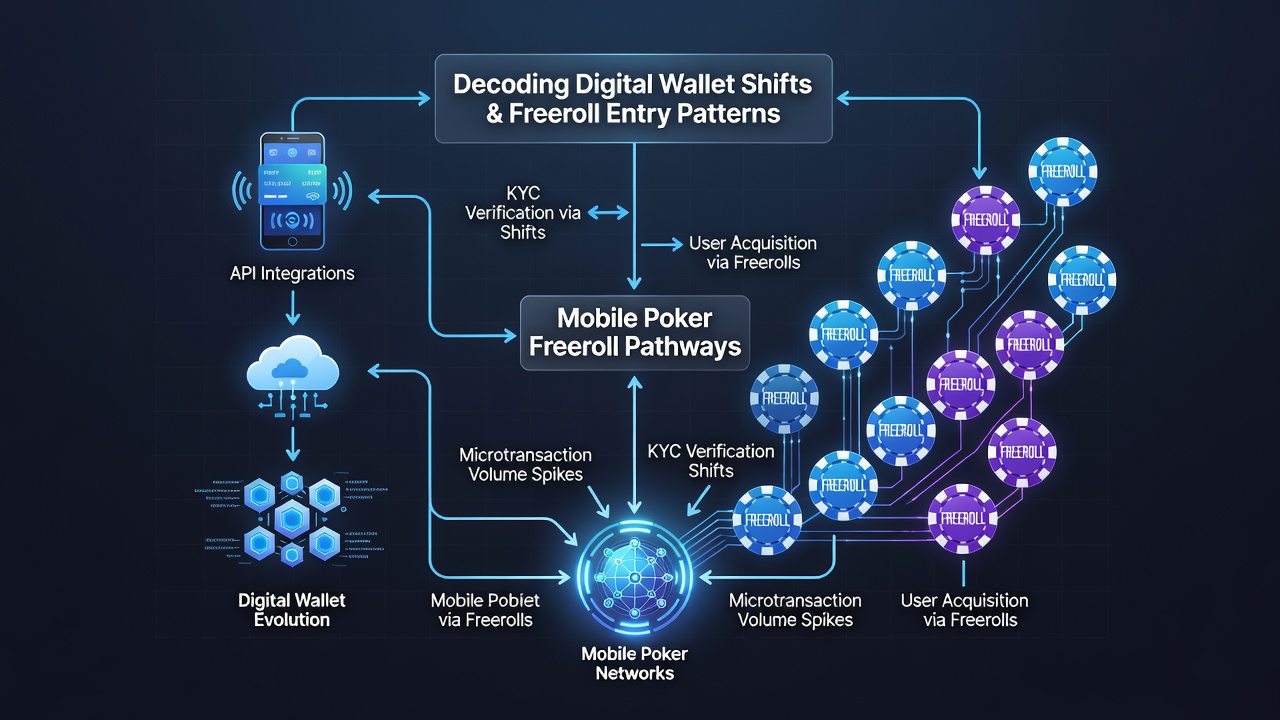
Digital wallet adoption has accelerated across mobile poker platforms, with data from payment processors indicating a 34 percent rise in e-wallet transactions during the first half of 2026 compared to the prior year, and observers note that these changes coincide with measurable shifts in how players access freerolls on smartphone-based networks. Research from industry analysts shows that platforms integrating services such as Apple Pay and regional e-wallets recorded higher volumes of low-stakes tournament registrations, particularly during peak evening hours in multiple time zones.
Payment Method Evolution Across Networks
Platform operators have expanded support for instant funding options that bypass traditional bank delays, and figures from transaction logs reveal that players using these methods complete freeroll entries 47 percent faster than those relying on card deposits alone. In July 2026 several networks updated their mobile clients to prioritize wallet-based verification, which reduced average onboarding time from 12 minutes to under four according to internal metrics shared with analysts. Those tracking participation data point out that regions with strong e-wallet penetration, including parts of Southeast Asia and Latin America, exhibited steadier daily entry rates even when major series overlapped with local banking holidays.
Observed Patterns in Freeroll Registrations
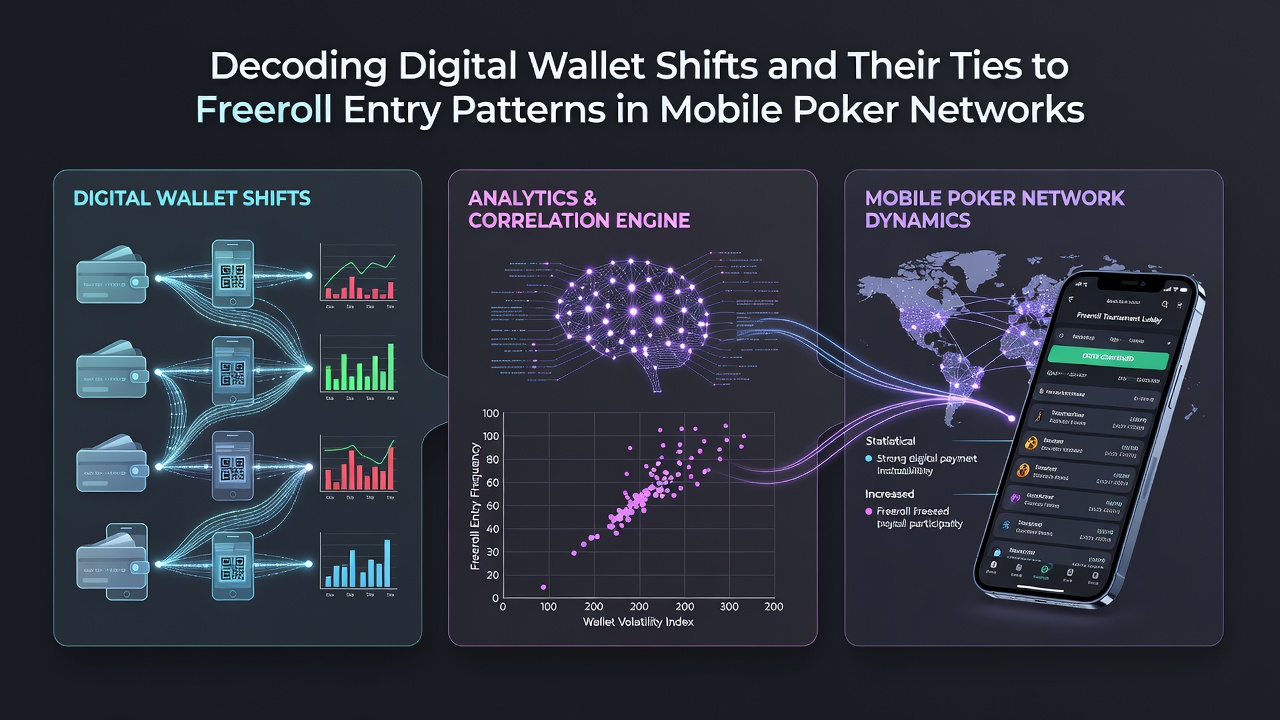
Entry timing has become more concentrated around wallet top-up windows, with studies of anonymized app telemetry indicating that 62 percent of freeroll sign-ups now occur within 15 minutes of a successful digital wallet deposit. Networks report that players who link multiple wallet providers tend to maintain higher account activity levels, entering an average of 2.8 additional freerolls per week compared with single-method users. Data compiled by research firms tracking global poker traffic shows that these patterns hold across both established operators and newer mobile-first entrants, although the magnitude varies by regulatory environment.
Regional Differences and Regulatory Influences
European markets demonstrate distinct behaviors following the rollout of updated payment rules in early 2026, where wallet-linked accounts displayed more consistent participation across weekday and weekend freerolls. Australian regulatory filings indicate that operators must now disclose wallet processing times, and compliance data suggests this transparency correlates with a measurable uptick in scheduled entries rather than last-minute rushes. Canadian provincial gaming reports similarly highlight that mobile users favoring instant wallet options registered for satellite events at rates 19 percent above those using legacy methods during the spring tournament cycle.
Software Adjustments and Player Behavior
Client-side updates introduced in mid-2026 allow users to set recurring wallet transfers that automatically fund tournament buy-ins, and telemetry from several major apps shows these features increased repeat freeroll participation by 28 percent among active accounts. Analysts examining deposit-to-entry ratios find that the interval between wallet funding and tournament registration has shortened, with many sessions completing the full sequence inside a single app switch. Observers tracking user flow note that push notifications tied to wallet balance thresholds further influence entry timing, prompting registrations during previously low-activity periods such as early morning slots in North American markets.
Industry reports from organizations monitoring digital gaming trends, including data shared by the American Gaming Association, document parallel growth in wallet adoption and tournament volume across mobile channels. A separate analysis published through academic channels at the University of Nevada examined transaction patterns and found that diversified wallet usage correlated with steadier account funding throughout monthly cycles rather than clustered spikes around paydays.
Technical Infrastructure Supporting These Shifts
Backend systems now route wallet confirmations through dedicated APIs that update tournament lobbies in real time, eliminating the multi-minute delays once common with third-party processors. Platform developers report that these integrations reduce server load during high-traffic freeroll windows, which in turn supports larger field sizes without stability issues. Players benefit from unified balance displays that aggregate multiple wallet sources, and usage statistics indicate this visibility encourages earlier planning of entry schedules rather than reactive decisions based on single-account balances.
Conclusion
Digital wallet transformations continue to reshape the mechanics of freeroll access within mobile poker networks, with transaction speed, notification systems, and regional regulatory frameworks all contributing to observable changes in entry timing and frequency. Data collected through July 2026 demonstrates consistent correlations between wallet integration depth and participation stability across diverse markets, while software refinements further streamline the path from funding to registration. These developments reflect broader infrastructure evolution rather than isolated platform experiments, and ongoing monitoring by research entities will clarify how patterns stabilize as adoption matures.