Digital Wallets Reshaping Tournament Participation Across Disconnected Poker Platforms
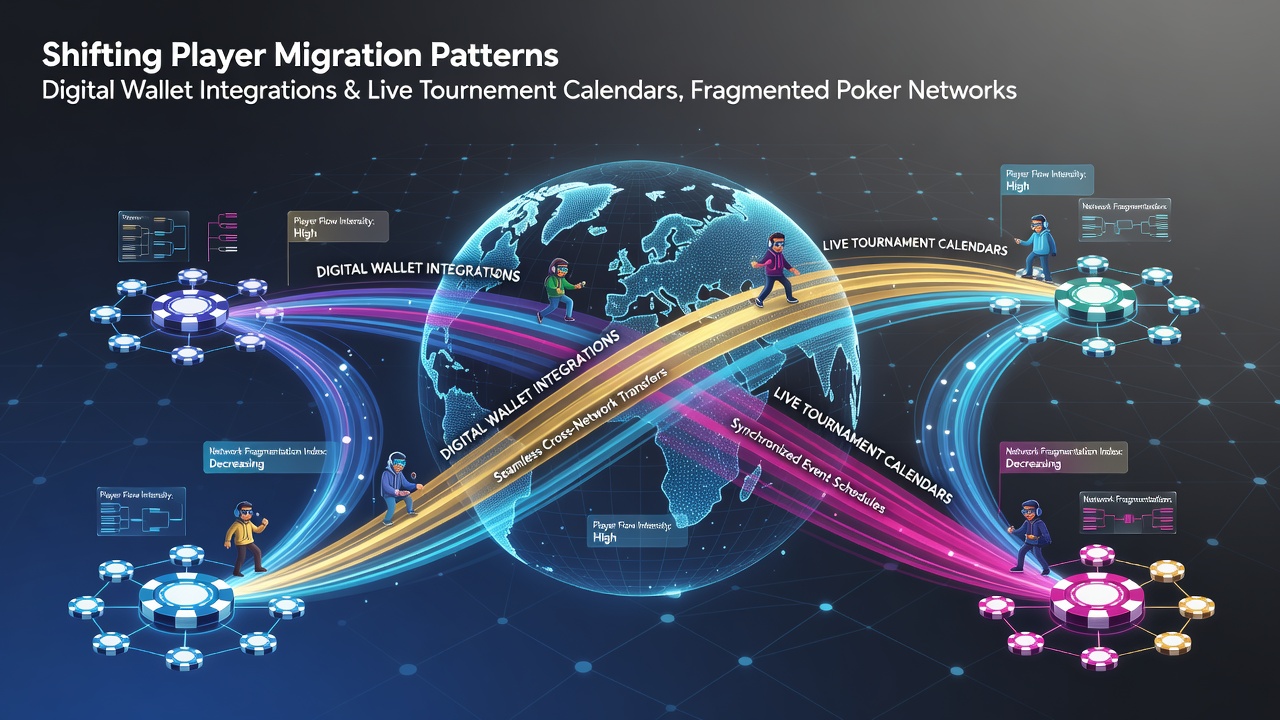
Player movement between poker networks has accelerated as digital wallet options expand and tournament calendars remain split across multiple operators, and data from regulatory filings shows increased transaction volumes tied to instant funding tools during peak summer periods including July 2026 schedules. Observers note that seamless deposits allow participants to shift focus toward events on networks offering better alignment with personal availability rather than sticking to single-platform routines.
Wallet Features Driving Entry Timing
Digital wallet integrations permit real-time balance updates that match live tournament registration windows, and studies from industry reports indicate higher participation rates on sites where funding completes in under thirty seconds. Those who track entry data across networks find that players now adjust schedules based on when specific events open rather than waiting for traditional banking cycles to clear. This shift appears in aggregated figures released by gaming oversight bodies in multiple jurisdictions.
Fragmented Calendars and Network Choices
Live tournament timetables stay divided among separate poker operators, each maintaining independent series with overlapping dates throughout 2026. Researchers examining participation logs observe that users migrate toward networks whose calendars better fit wallet-enabled deposit windows, particularly when major events cluster in July. One analysis of entry patterns revealed that mid-week qualifiers on certain platforms gained traction once instant funding removed delays previously caused by slower payment rails.
Regional Regulatory Influences
Authorities in Nevada track digital payment adoption through monthly operator submissions, and figures from the Nevada Gaming Control Board document rising volumes linked to wallet services in online formats. Similar monitoring occurs under Canadian provincial frameworks where data shows comparable movement toward networks supporting multiple funding methods. These records highlight how calendar access influences where players concentrate activity without requiring long-term platform loyalty.
But here's the thing: fragmented networks create situations where a single player might enter events on three or four different systems within one month, and wallet tools reduce friction that once limited such cross-network activity. Data indicates that deposit timing now aligns more closely with announced tournament start times, allowing adjustments based on real-time availability.
Observed Migration Trends in Mid-2026
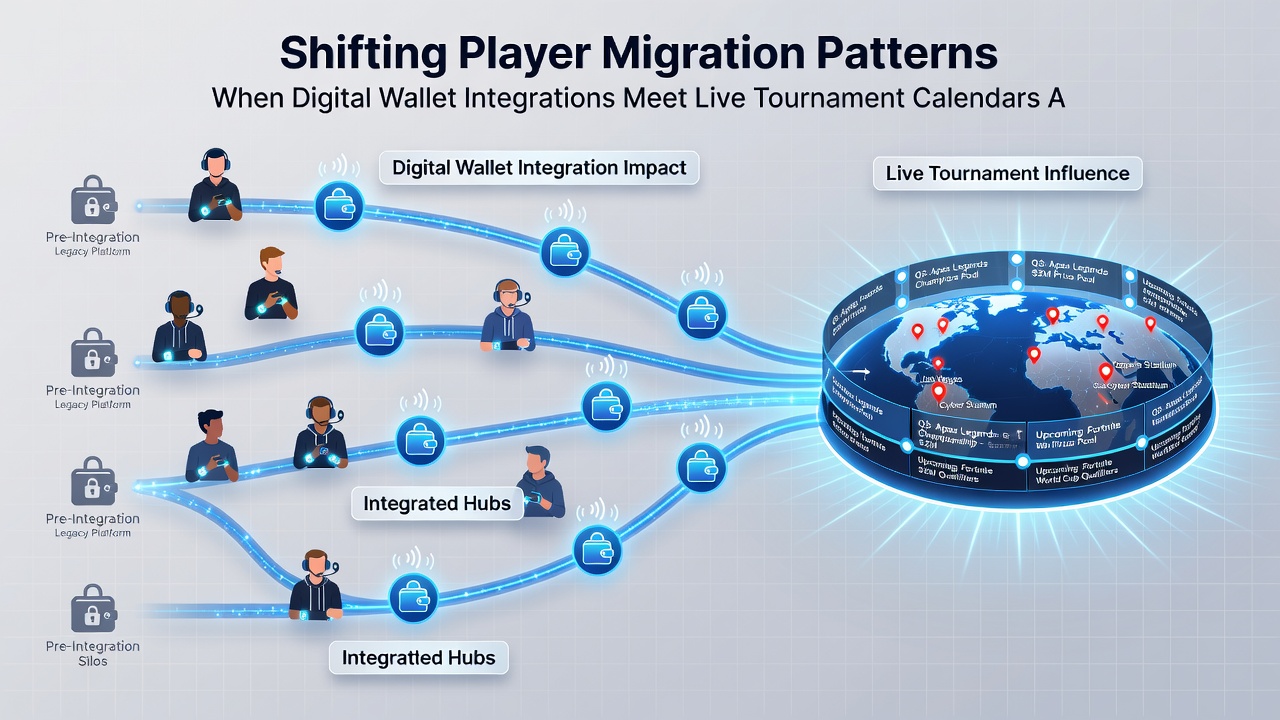
Throughout July 2026, entry statistics across platforms revealed clusters of activity around events announced with short lead times, and participants using wallet integrations showed greater flexibility in switching networks mid-series. Those examining registration logs note that players often complete funding for one network's satellite while simultaneously monitoring another operator's main event calendar. This behavior emerges clearly in aggregated reports that separate wallet-funded entries from traditional card or bank transfers.
What's interesting is how calendar fragmentation encourages testing multiple networks, and evidence from operator disclosures suggests that users who adopt digital wallets explore a wider range of tournaments than those relying on slower methods. Academic reviews of gaming transaction data support these patterns by linking payment speed to broader participation across disconnected systems.
Payment System Effects on Scheduling
Operators have adjusted registration cutoffs to accommodate faster funding, and industry associations report that such changes coincide with increased cross-network movement. Data from European regulatory sources outside the United Kingdom, including filings reviewed by Belgian gaming authorities, shows parallel trends where instant wallet options correlate with more distributed entry patterns. Players can now respond to last-minute schedule announcements without waiting for external payment confirmations.
Yet calendar conflicts persist when major series overlap, and observers tracking these periods find that wallet users resolve conflicts by prioritizing events based on immediate funding access rather than prior platform preference. Figures released in regulatory summaries for 2026 confirm elevated volumes during these overlapping windows compared with earlier years.
Conclusion
Digital wallet integrations continue to intersect with fragmented tournament calendars, producing measurable shifts in how participants distribute activity across networks. Records from gaming oversight bodies in Nevada and other regions document these changes through transaction and entry data, while July 2026 schedules provide ongoing examples of timing adjustments. The patterns reflect practical responses to payment speed and calendar availability rather than fixed loyalties to single platforms.