Evolution of Digital Payment Systems Reshaping Entry Dynamics in Global Online Poker Tournaments
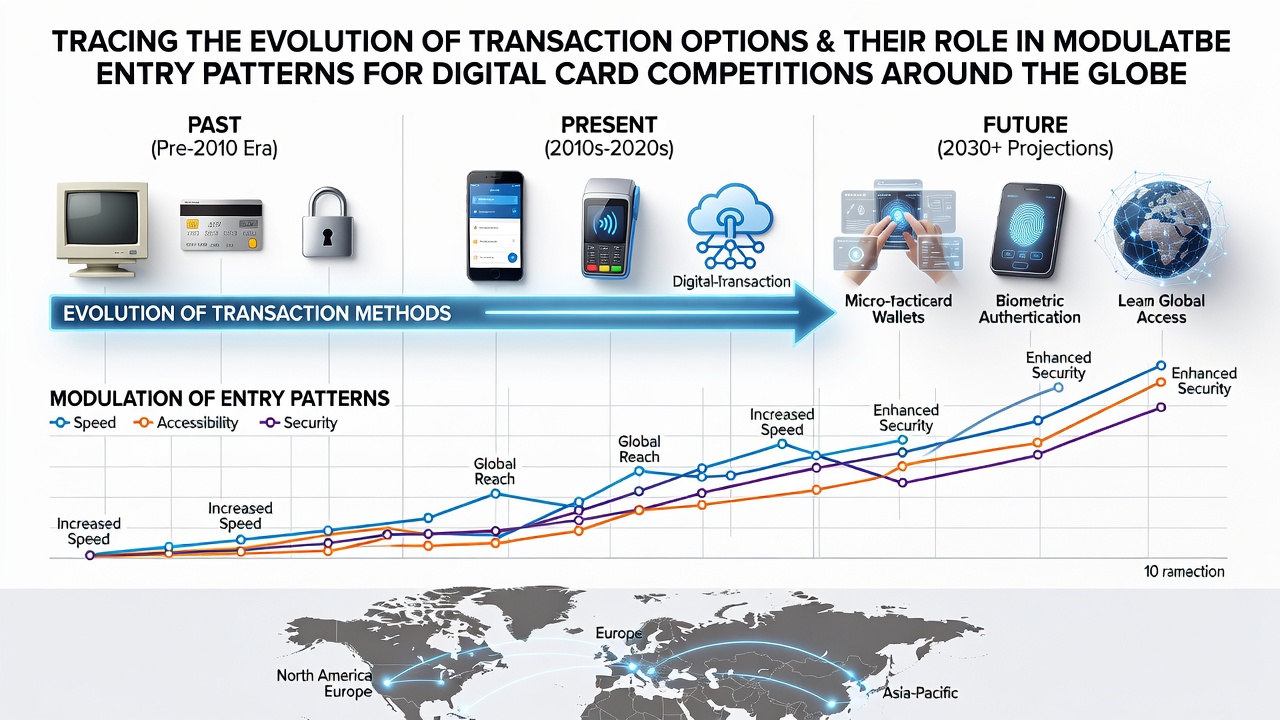
Digital transaction methods have progressed through distinct phases since the emergence of online poker platforms in the late 1990s, and these shifts have directly influenced how players from various regions enter tournaments. Early systems relied primarily on credit card processing and bank wire transfers which often involved multi-day delays and higher fees that limited spontaneous participation in smaller events. Observers note that as alternative options developed players began adjusting their entry timing to align with available funding windows rather than tournament schedules alone.
Early Transaction Frameworks and Regional Participation Barriers
Credit card networks dominated initial online poker funding until regulatory pressures in the mid-2000s prompted many issuers to restrict gambling-related transactions and this change forced platforms to seek alternative processors. Bank transfers remained viable in Europe and parts of Asia yet introduced friction that discouraged last-minute entries into mid-stakes tournaments. Data from industry analyses shows that regions with fewer banking restrictions maintained steadier participation rates while areas facing card blocks experienced noticeable drops in daily tournament volume. Researchers at institutions tracking gaming patterns documented how these limitations concentrated entries among players with established offshore accounts and reduced overall field sizes in affected markets.
Emergence of E-Wallets and Accelerated Entry Patterns
Electronic wallet services gained traction around 2010 and introduced near-instant deposits that decoupled funding from traditional banking hours. Players could now complete transactions during evening hours or on weekends which aligned better with global tournament calendars spanning multiple time zones. Studies indicate that platforms supporting Skrill and Neteller recorded measurable increases in unique daily entrants particularly for satellite qualifiers leading into larger main events. Those who studied participation logs observed that e-wallet adoption correlated with higher repeat entries because reduced processing times allowed users to react quickly to added tournaments or overlay promotions. And this flexibility extended across continents as operators expanded wallet support to capture markets in Latin America and Eastern Europe where card acceptance remained inconsistent.
Mobile Integration and Real-Time Funding Influences
Smartphone applications accelerated the next wave of change by embedding deposit functions directly into tournament lobbies and this development reshaped how recreational players approached event selection. Instant verification features eliminated previous delays that once required users to log out and switch between banking apps. Figures from mobile analytics firms reveal that regions with widespread smartphone penetration saw tournament entry spikes during commute times and lunch breaks as funding became possible without desktop access. What's interesting is how push notifications for new events combined with seamless wallet links to drive impulse registrations that previously required advance planning. Platforms reported sustained growth in micro-stakes daily tournaments because mobile users could fund accounts in under a minute before committing to short-duration formats.
Cryptocurrency Adoption and Global Access Expansion
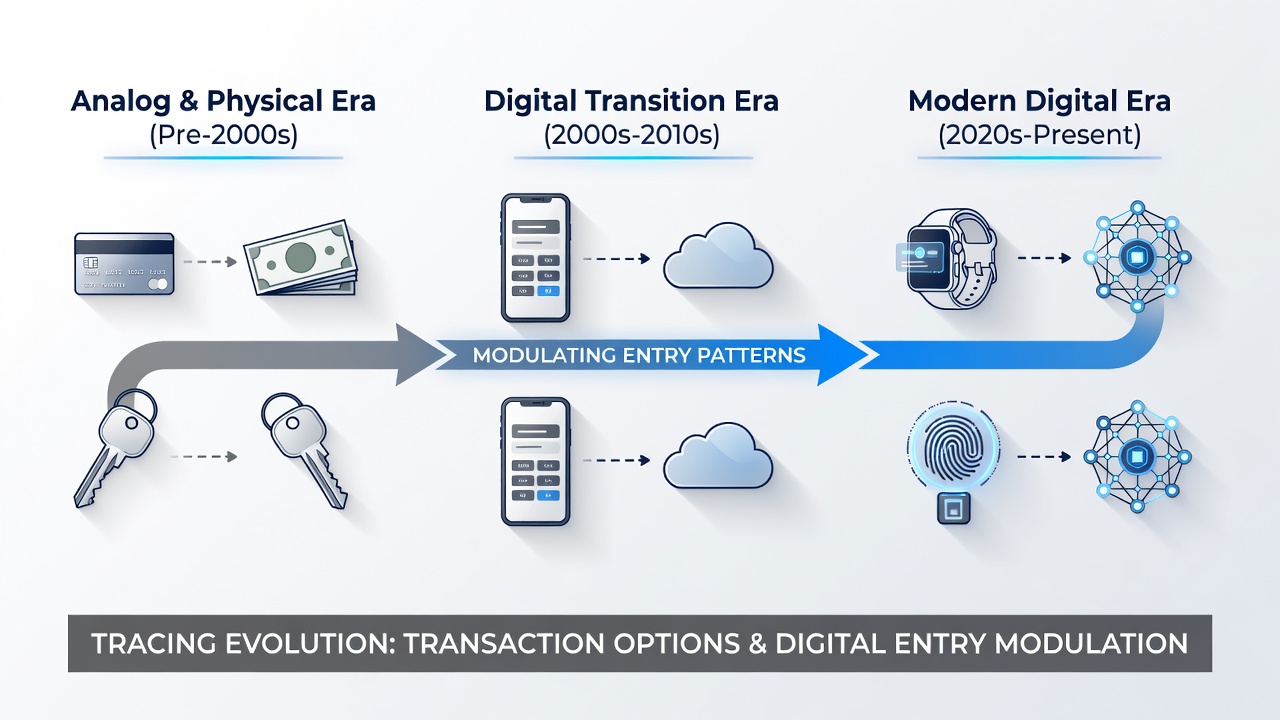
Bitcoin and subsequent digital currencies entered the ecosystem around 2014 and provided solutions for jurisdictions where conventional payment rails faced restrictions or high fees. Platforms integrating crypto processors enabled entries from countries with capital controls that had previously limited participation. Research from academic centers monitoring cross-border gaming indicates that crypto-supported sites experienced broader geographic distribution of entrants compared to those relying solely on fiat channels. Yet volatility concerns initially slowed mainstream uptake until stablecoin options reduced exchange risks and stabilized deposit values. By June 2026 multiple networks listed crypto as a primary funding method for international events and this shift coincided with expanded freeroll schedules targeting emerging markets in Africa and Southeast Asia.
Regulatory Adjustments and Their Effects on Entry Timing
Government policies continue to interact with payment evolution as licensing bodies in Canada and Australia have introduced frameworks that recognize certain digital assets while maintaining oversight on transaction monitoring. These rules have prompted platforms to implement compliance layers that sometimes add verification steps yet still deliver faster overall processing than legacy bank methods. Industry reports from the National Council on Problem Gambling highlight how transparent payment trails support responsible play features such as deposit limits that players can adjust directly within apps. Observers tracking 2026 tournament data note that regions with clear regulatory paths maintain consistent entry volumes while markets in transition show temporary fluctuations until operators finalize new processor partnerships.
Conclusion
Transaction method development has progressed from delayed bank processes to instant multi-currency solutions and each advancement has altered when and where players enter digital card competitions worldwide. Continued innovation in funding technology alongside evolving regulatory landscapes will likely sustain these dynamic entry patterns through future tournament cycles.