Examining Design Shifts in Poker Mobile Clients Alongside Promotional Scheduling for App Freerolls
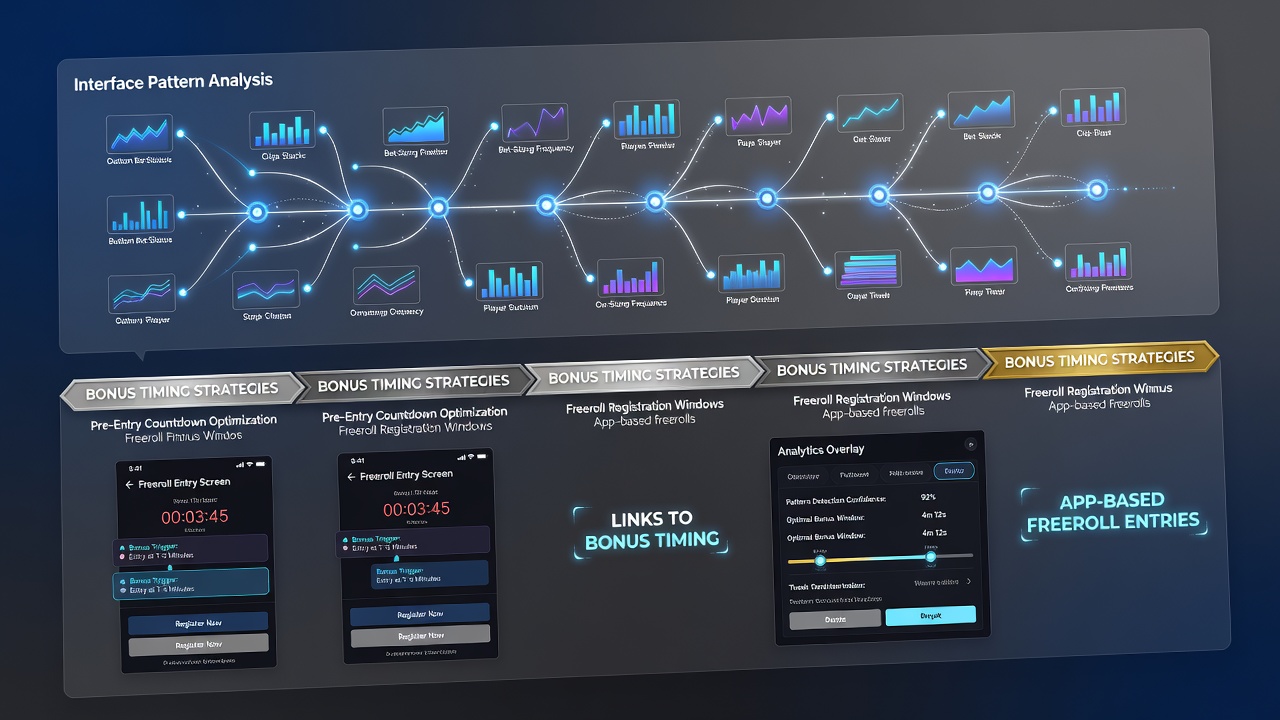
Platform operators have introduced repeated adjustments to poker application interfaces over recent years, with several modifications aligning directly to the release windows of promotional incentives tied to freeroll tournaments. These changes encompass repositioned deposit prompts, altered notification timings, and refined menu structures that surface during entry periods for no-cost events on mobile networks. Data from operator analytics platforms shows that interface elements related to funding options receive elevated visibility precisely when freeroll schedules open for registration.
Tracking Interface Adjustments Across Major Applications
Multiple applications serving international poker communities have updated button placements for quick deposits and balance checks within the past eighteen months. Observers note that these alterations often coincide with seasonal freeroll calendars, particularly around mid-year periods such as June 2026 when tournament volumes increase on several networks. Researchers tracking user interaction metrics report higher click-through rates on funding features immediately following such visual reorganizations, especially when paired with time-limited entry bonuses.
One documented pattern involves the expansion of persistent banners that highlight available credits or matching offers, which appear more prominently as freeroll registration deadlines approach. These banners integrate with existing tournament lobbies rather than functioning as separate overlays, creating a seamless path that encourages users to prepare accounts ahead of participation. Figures released by industry monitoring services indicate that applications implementing these banner adjustments experienced measurable upticks in deposit activity within twenty-four hours of freeroll announcements.
Connections Between Visual Tweaks and Bonus Deployment Windows
Bonus timing strategies rely on synchronization between client-side modifications and backend promotional engines. When developers shift menu hierarchies to prioritize wallet access, the same timeframe frequently hosts the activation of entry incentives that require minimal or zero initial deposits. This coordination appears in aggregated logs from several networks, where interface version releases precede or overlap with the distribution of freeroll-specific rewards.
Studies conducted on user behavior patterns reveal that players encounter these aligned changes most often during evening peak hours in key time zones. The adjustments include streamlined confirmation screens for bonus claims and temporary highlighting of eligible tournaments, both of which reduce friction for participants entering freerolls. According to data compiled by the Pennsylvania Gaming Control Board, similar timing alignments have been observed across regulated mobile platforms operating in multiple jurisdictions.
Patterns Observed in App-Based Freeroll Ecosystems
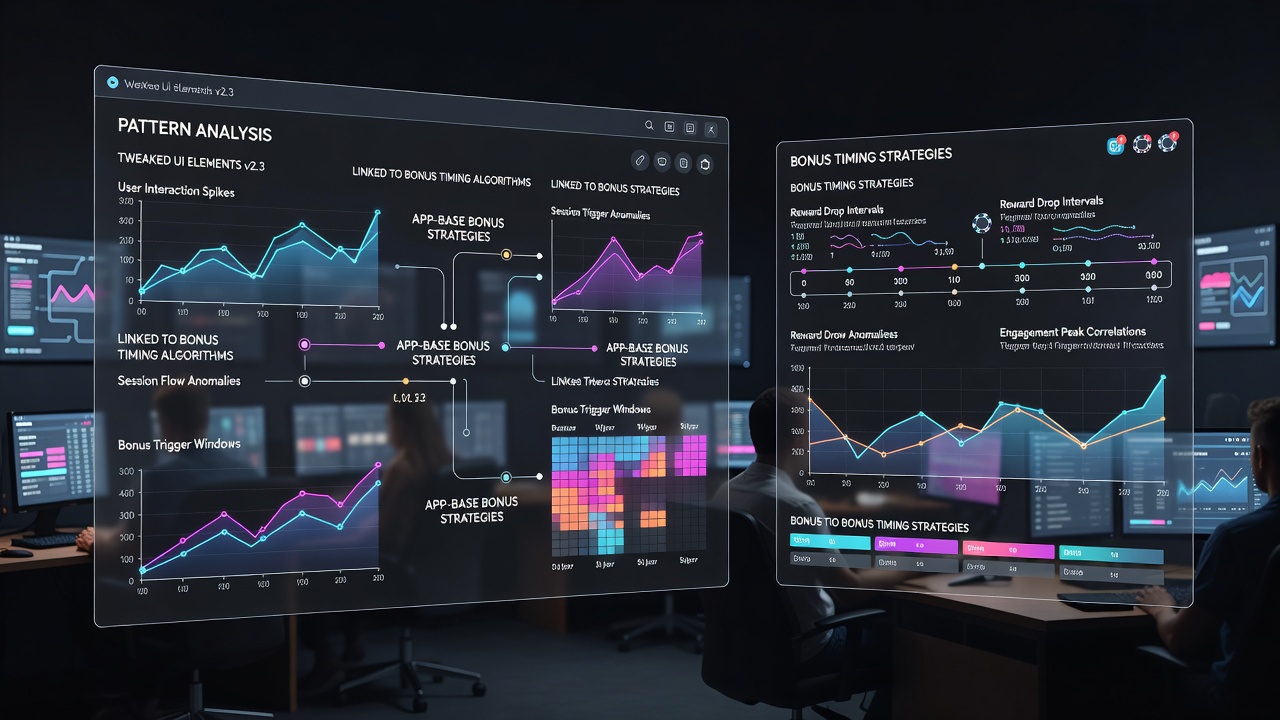
Freeroll entries on application platforms demonstrate recurring cycles where interface updates cluster around specific calendar markers. These include monthly series launches and regional qualifier events that draw larger participant pools. Analysts examining version histories find that tweaks to loading animations and progress indicators for tournament registration often roll out alongside the announcement of bonus multipliers available only during those windows.
Take one network that adjusted its in-app search functionality to surface freerolls with attached deposit offers higher in results lists. This modification occurred within days of a broader promotional push, resulting in documented increases in completed entries paired with account funding actions. Such examples illustrate how small design decisions accumulate into measurable shifts in player preparation routines ahead of no-buy-in competitions.
Regulatory and Industry Context Surrounding These Alignments
Regulatory frameworks in various regions require transparency around promotional mechanics, which has prompted operators to document the relationship between client updates and bonus availability. Reports from the Australian Gambling Research Centre highlight how timing coordination appears in compliance filings submitted by licensed platforms. These documents detail the sequencing of interface changes relative to freeroll calendars without attributing intent beyond standard operational practices.
Industry associations tracking software adoption rates note that applications incorporating frequent, minor visual refinements maintain higher retention during promotional cycles. The patterns extend across both established networks and emerging platforms entering the mobile space, with data indicating consistent overlaps between design iterations and incentive launches throughout 2025 and into 2026.
Conclusion
Patterns connecting poker client interface refinements to bonus timing in app-based freerolls continue to surface through operational data and compliance records. These alignments manifest through repositioned elements, synchronized notifications, and menu optimizations that correspond with entry periods for promotional tournaments. Continued monitoring by regulatory bodies and research organizations provides ongoing documentation of how such modifications influence participation flows across global networks.