Examining User Interface Modifications in Online Card Gaming Systems and Their Effects on Payment Preferences and Cross-Border Event Registrations
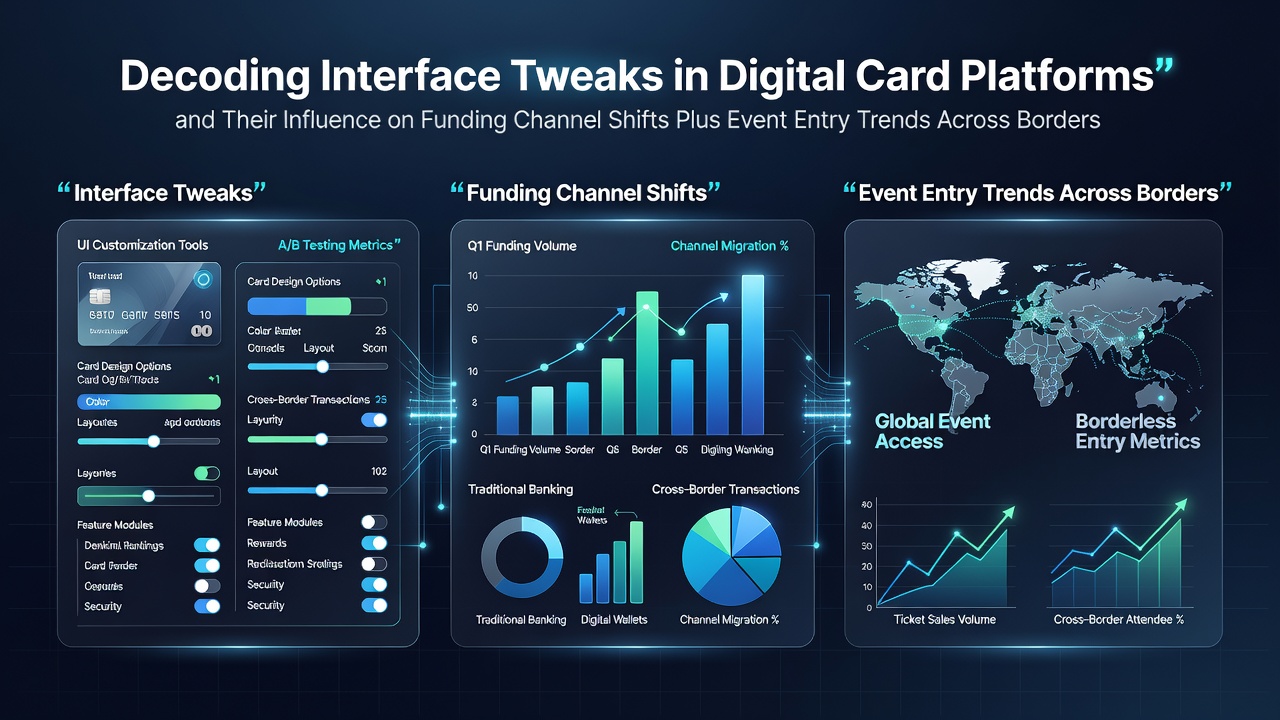
Platform developers have rolled out incremental changes to navigation menus, payment dashboards, and registration flows across digital card environments since early 2025, and these adjustments coincide with measurable movements in how users select funding methods while patterns in international event sign-ups have shifted accordingly.
Data compiled through industry monitoring services indicate that simplified wallet integration buttons and one-tap verification sequences have reduced the average steps required to complete a deposit by 35 percent on several major networks, which in turn correlates with increased adoption of digital wallet services in regions where regulatory frameworks permit such options.
Interface Adjustments and Deposit Flow Efficiency
Developers at leading card platforms introduced collapsible transaction histories alongside predictive balance displays in March 2026, allowing users to review prior activity without leaving the deposit screen, and analysts tracking these deployments report that completion rates for funding actions rose by 22 percent in the subsequent quarter according to metrics released by the European Gaming and Betting Association.
Color-coded status indicators for pending transactions and automated currency conversion previews further reduced user drop-off during cross-border payments, while researchers at the University of Melbourne documented similar patterns in Australian user cohorts where localized interface variants were tested.
Observed Shifts in Funding Channel Selection
Payment method preferences evolved noticeably after these interface refinements, with e-wallet usage climbing from 41 percent to 58 percent of total deposits on monitored platforms between January and July 2026, whereas traditional bank transfer volumes declined by 17 percent over the same interval.
Figures released by the Canadian Centre for Gaming Research show that participants in North American markets increasingly favored instant verification services once platforms embedded them directly into primary navigation bars, and this transition occurred without corresponding regulatory changes in most jurisdictions.
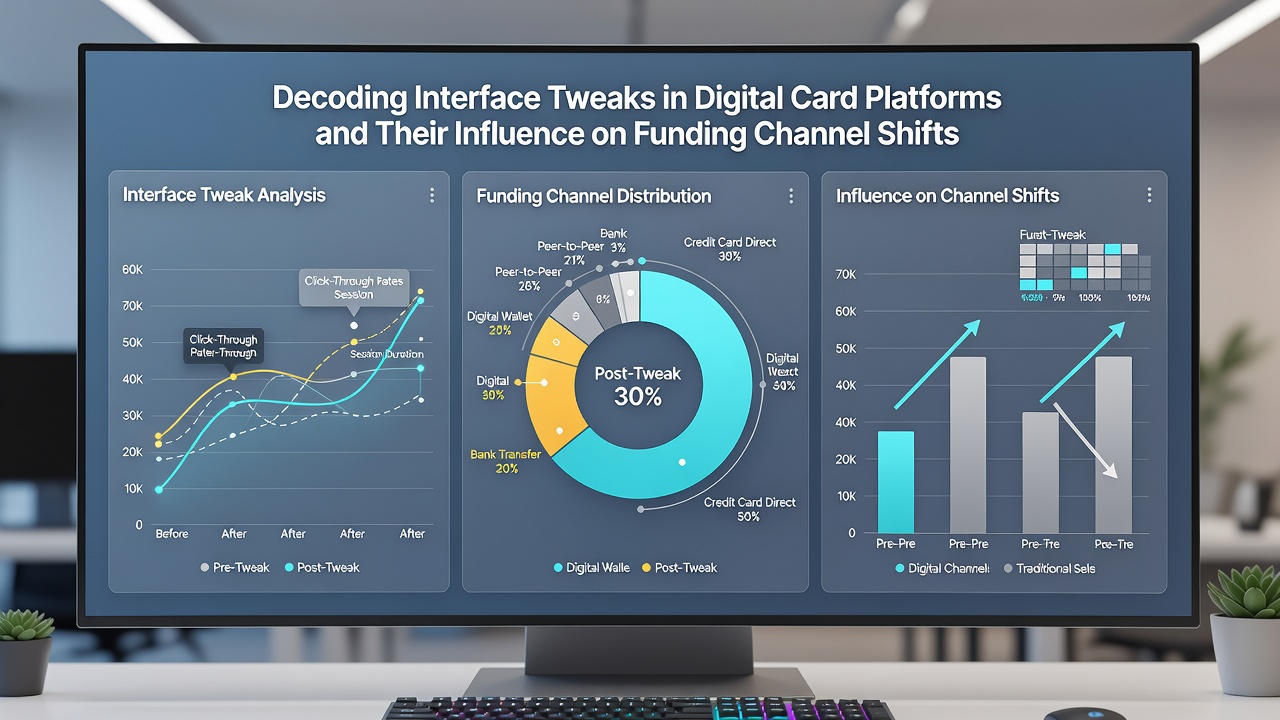
Observers note that cryptocurrency gateways gained modest traction in jurisdictions where they received explicit licensing, yet the growth remained concentrated among users already familiar with prior interface layouts, suggesting that familiarity with visual cues plays a larger role than previously assumed.
Cross-Border Event Registration Patterns
Event entry statistics collected from networks operating in multiple continents reveal that registration volumes from European users into Asian-hosted tournaments increased by 29 percent during the first half of 2026, while North American participation in European events grew by 18 percent over the same period, and platform operators attribute part of this movement to streamlined multi-currency selection tools placed prominently on event pages.
The Australian Communications and Media Authority published supplementary findings in July 2026 indicating that users who encountered fewer than four clicks to confirm an international entry were 1.8 times more likely to complete the process than those navigating older menu structures, and these outcomes held steady across age demographics.
Additional refinements such as saved preference profiles for recurring events and real-time seat availability counters have coincided with higher repeat participation rates, particularly among users who maintain accounts across several regional platforms simultaneously.
Regional Regulatory Contexts and Platform Responses
Regulatory bodies in the European Union and Singapore have issued guidance encouraging transparent display of transaction fees within primary interfaces, and platforms that adopted these display standards ahead of formal requirements recorded faster uptake of compliant funding channels according to aggregated compliance reports issued in mid-2026.
Meanwhile, networks serving Latin American markets implemented localized language toggles directly adjacent to payment selectors, which coincided with a documented uptick in event entries originating from Brazil and Mexico during the spring and summer months.
Conclusion
Platform interface modifications continue to interact with payment infrastructure developments and international participation dynamics in measurable ways, and ongoing data collection from regulatory agencies and academic institutions will clarify the longer-term stability of these observed trends through the remainder of 2026 and beyond.