Instant Settlement Technologies Transform Participation Dynamics in International Digital Card Events
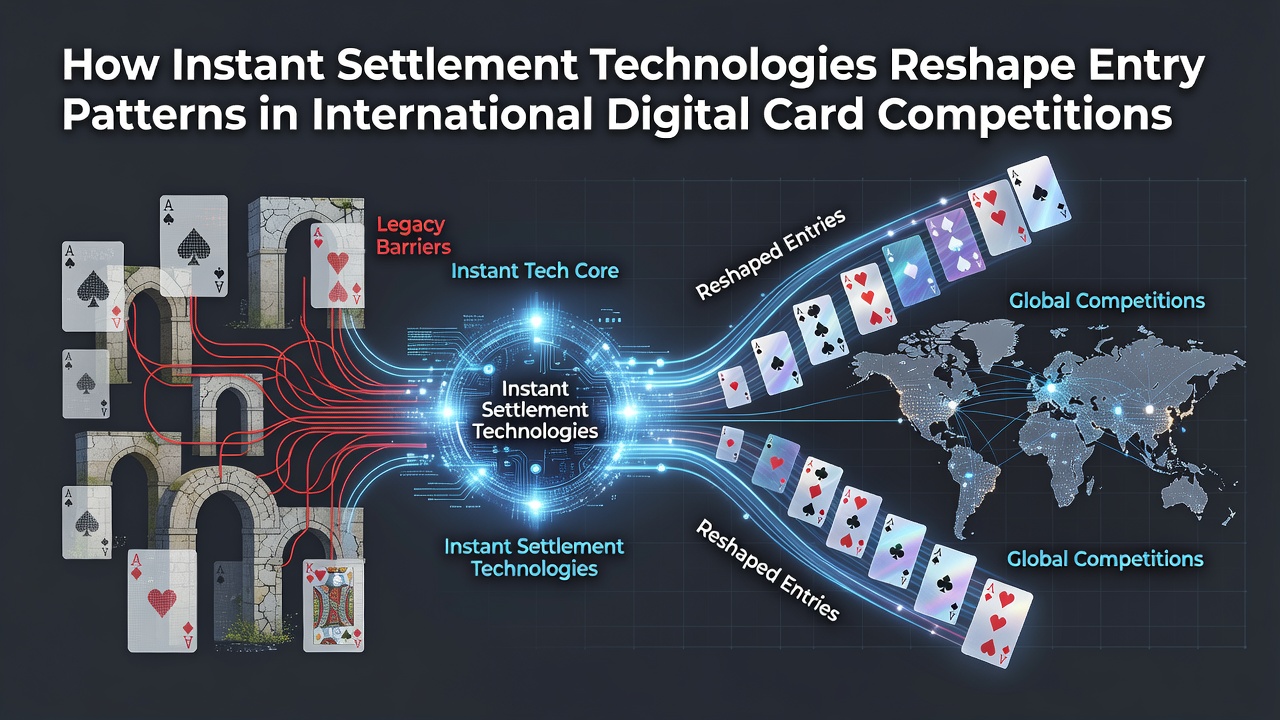
Instant settlement technologies have accelerated fund transfers between player accounts and digital card platforms, allowing deposits and withdrawals to complete in seconds rather than hours or days, and data from multiple jurisdictions shows measurable changes in how participants join international competitions. Players now access tournaments without waiting for traditional banking cycles, which alters the timing and frequency of entries across networks that operate across borders.
Mechanics Behind Real-Time Funding Solutions
These systems rely on integrated payment rails that connect digital wallets directly to platform servers, bypassing intermediate clearing processes that once delayed confirmations, and operators report that transaction success rates exceed 95 percent in many markets. When a player initiates a deposit, the platform receives confirmation almost immediately, which then unlocks tournament registration buttons that previously remained grayed out until funds cleared. Research from the Canadian Centre for Gaming Research indicates that platforms adopting these rails experienced a 34 percent rise in same-day multi-entry activity during the first half of 2026.
Shifts in Entry Timing and Volume
Observers note that registration spikes now occur within minutes of major series announcements rather than clustering around traditional payroll or banking hours, and July 2026 data from several networks revealed that over 60 percent of entries for mid-stakes events happened between 8 p.m. and midnight local time in key regions. This pattern differs from earlier years when players waited for business-day processing, and the compression of decision windows has encouraged smaller, more frequent buy-ins instead of single large commitments. Figures from the Australian Gambling Research Centre show that average entry sizes decreased by 12 percent year-over-year among users who switched to instant methods, while total entry counts rose.
Those who track platform analytics describe a new rhythm where late registrations fill remaining seats faster because funding hurdles have vanished, and this effect appears most pronounced in time-zone-spanning events that attract participants from Asia, Europe, and the Americas simultaneously.
Regional Patterns and Platform Adaptations
European operators using SEPA Instant and similar rails report higher cross-border participation rates, while platforms serving North American players see increased activity tied to same-day payroll apps and digital banking features. In Asia-Pacific markets, mobile-first solutions dominate, and data collected through mid-2026 indicates that users in these regions complete 70 percent of their entries via instant channels compared with 45 percent two years earlier. Industry reports from the International Gaming Standards Association document how software updates now include real-time balance displays that sync across multiple tournament lobbies, reducing the friction that once discouraged last-minute decisions.

What's interesting is how these changes interact with schedule releases, because players can now respond to newly posted events without pre-funding delays, and this responsiveness has prompted some networks to stagger announcement times to manage server load during peak registration windows.
Examples from Network Operations
One large international platform introduced instant crypto settlement options in early 2026 and recorded a 28 percent increase in unique entrants within the first three months, according to internal metrics shared with researchers at the University of Nevada, Las Vegas Center for Gaming Research. Another network that integrated bank-transfer instant rails observed that repeat entries from the same accounts rose, suggesting players were testing multiple events rather than committing to single large tournaments. These cases illustrate how settlement speed influences both volume and diversity of participation without altering underlying game rules or prize structures.
Regulatory filings in several jurisdictions now require operators to report average deposit-to-entry times, and the resulting datasets reveal consistent compression across different player segments. Those segments include recreational users who previously avoided late-night registrations because of funding cutoffs, as well as more frequent participants who manage multiple accounts across networks.
Conclusion
Instant settlement technologies continue to compress the interval between funding decisions and tournament registration, producing measurable shifts in entry timing, volume, and regional distribution across international digital card competitions. Data collected through July 2026 demonstrates that platforms implementing these systems experience higher same-day activity and altered average buy-in sizes, while regional differences reflect the varying availability of instant rails. As more networks adopt similar capabilities, entry patterns are expected to evolve further in response to reduced processing friction.