Mapping Shifts in Deposit Preferences Among Participants in Networked Poker Tournaments
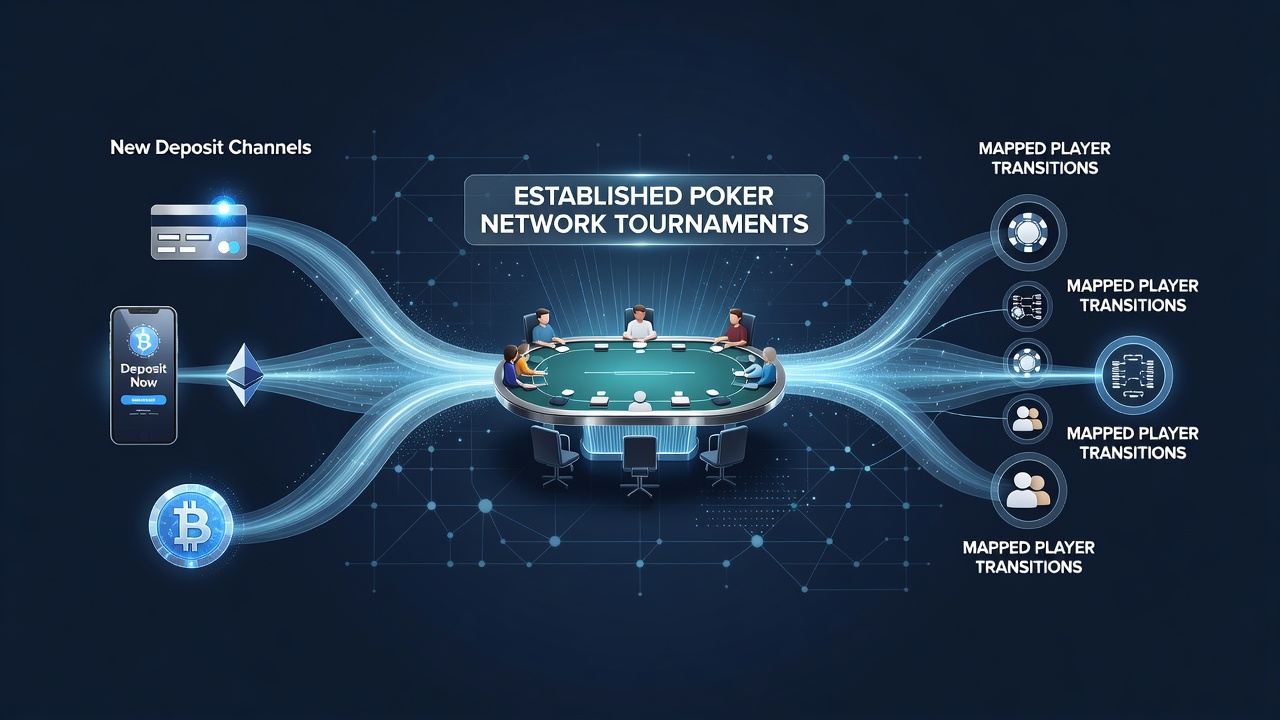
Established poker networks have incorporated fresh deposit channels over recent cycles, and observers track how regular participants adjust their funding routines to maintain entry into scheduled events. Data from industry reports indicate that players move between traditional bank wires, e-wallet systems, and emerging digital assets while tournament calendars remain fixed across major platforms. These transitions appear in entry logs that record timing, method selection, and frequency of participation without disrupting overall network traffic.
Integration Patterns Across Major Networks
Networks that operate multi-site tournament series began rolling out expanded payment options in early 2025, and figures released by the Nevada Gaming Control Board show corresponding increases in transaction volumes through non-traditional routes. Participants who previously relied on credit card deposits now route funds through instant banking apps or cryptocurrency processors in parallel sessions. Researchers at the University of Nevada, Las Vegas documented these changes through anonymized transaction datasets that highlight clustered adoption rates during peak registration windows for flagship events.
Additional channels such as prepaid vouchers and region-specific mobile payment services have entered the ecosystem, while established networks maintain compatibility protocols that allow seamless switches mid-session. Those who monitor player behavior note that deposit timing often aligns with satellite qualifiers or late-registration phases, which creates visible spikes in activity logs around midday UTC during July 2026 series.
Observed Player Migration Trends
Analysts examining longitudinal records find that a measurable segment of mid-volume entrants shifts deposit methods within a single calendar quarter when new options receive certification. Australian Institute of Criminology publications describe similar patterns in regulated markets where players test alternative rails for speed and fee structures before settling on preferred combinations. This migration does not reduce overall tournament entries; instead, participation metrics remain stable or show modest growth as friction decreases.
Case records from one European operator reveal that users who activated crypto wallets in the first half of 2026 completed 18 percent more multi-table registrations than in the prior period, according to internal summaries shared with regulatory partners. Meanwhile, traditional card users maintained steady volumes but exhibited shorter intervals between deposits and tournament starts once instant verification layers were added.
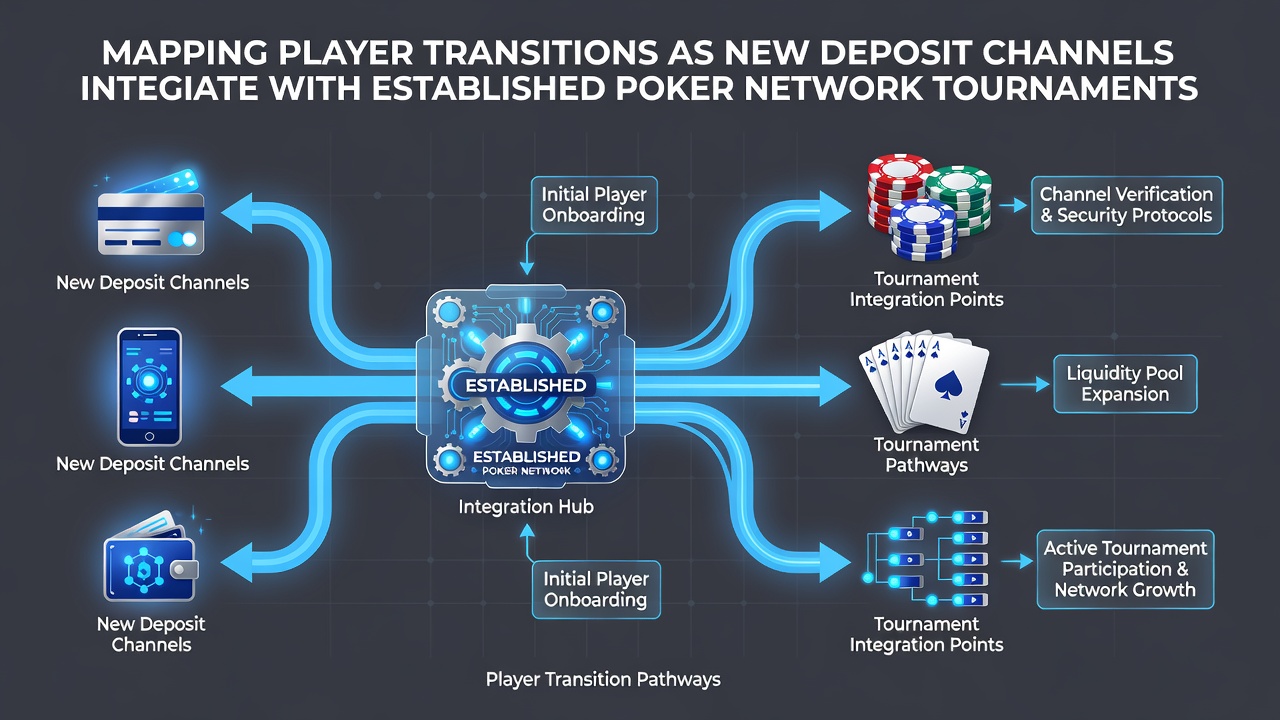
Impact on Tournament Entry Dynamics
Entry behavior data compiled across platforms demonstrates that players who diversify deposit sources tend to register earlier for progressive knockout formats and high-stakes side events. Network operators report that these earlier commitments improve seat allocation algorithms and reduce last-minute cancellations that previously strained waiting lists. Observers tracking July 2026 schedules note that synchronized rollouts of new funding tools coincided with record field sizes in several recurring series without corresponding increases in support tickets related to payment failures.
Cross-border participants benefit when networks support local instant transfer services alongside global cryptocurrency gateways, and studies from the Canadian Centre for Gaming Research indicate reduced drop-off rates during currency conversion steps. The resulting participation maps show denser clusters of activity from regions that gained access to previously unavailable rails.
Technical and Regulatory Considerations
Software updates that embed new payment processors require coordinated testing with existing tournament engines, and compliance teams at multiple networks reference guidelines issued by the Malta Gaming Authority to maintain audit trails. These updates enable real-time balance updates that feed directly into registration modules, which minimizes delays between funding confirmation and seat assignment. Industry associations such as the European Gaming and Betting Association have published interoperability standards that facilitate consistent user experiences across borders.
Security protocols now include layered verification that activates only when players exceed daily thresholds, allowing routine transitions to proceed without additional friction. Records indicate that adoption of these measures correlates with fewer interrupted sessions during high-traffic periods in mid-2026.
Conclusion
Networks continue to refine deposit integrations, and longitudinal tracking reveals stable or expanding participation levels among users who adopt multiple channels. Public datasets from regulatory bodies and academic partners provide ongoing visibility into these shifts, while operators adjust infrastructure to accommodate evolving preferences without altering core tournament structures. The resulting landscape shows connected payment ecosystems supporting consistent engagement across established series.