Navigating Alignment Hurdles in Mobile Poker Apps and Worldwide Freeroll Timetables Under Shifting Deposit Frameworks

Observers note that mobile poker applications encounter persistent difficulties when attempting to align with global freeroll calendars while deposit protocols undergo frequent modifications across regions. These platforms must manage real-time updates to tournament schedules that span multiple time zones and operator networks, yet changes in payment verification systems often disrupt entry processes and data feeds. Research indicates that discrepancies arise when app developers integrate new security layers for deposits without simultaneously refreshing calendar synchronization protocols.
Core Technical Barriers in Calendar Integration
Data from industry reports shows that freeroll events on international networks publish schedules through centralized feeds, but mobile apps rely on localized APIs that may lag during peak registration periods. Experts have observed instances where a player attempts to join a listed freeroll only to find the deposit window closed due to protocol shifts in verification requirements. Such mismatches compound when operators introduce region-specific rules for transaction approvals, forcing apps to pause entries until compliance checks complete.
Those who've studied these systems know that calendar data often arrives in standardized formats from poker networks, yet deposit protocol evolutions demand separate authentication steps that interrupt seamless participation. In June 2026, several major platforms rolled out enhanced encryption standards for deposits, which temporarily severed connections between app calendars and live freeroll listings in multiple jurisdictions. Figures reveal that participation rates dipped by measurable margins during these transition windows as users navigated updated funding pathways.
Regional Regulatory Influences on Deposit Flows
According to sources from the Australian Communications and Media Authority, evolving deposit protocols incorporate stricter identity verification that extends processing times for international players. This creates friction when mobile apps pull freeroll calendars from global sources without accounting for localized approval delays. Observers note that apps serving European markets face parallel challenges as payment service directives update, requiring fresh integrations that affect how tournament entries process through digital channels.
Impact on Player Strategies and Participation Patterns
Players often discover that synchronization gaps force them to cross-reference multiple sources before committing funds, since app calendars may display outdated freeroll details after a deposit protocol change. One study revealed that users in high-volume regions experience higher rates of failed entries when calendar data fails to reflect real-time deposit status updates. Take the case where experts found that a network's freeroll schedule shifted due to operator-side protocol adjustments, leaving app users without accurate registration windows for days.
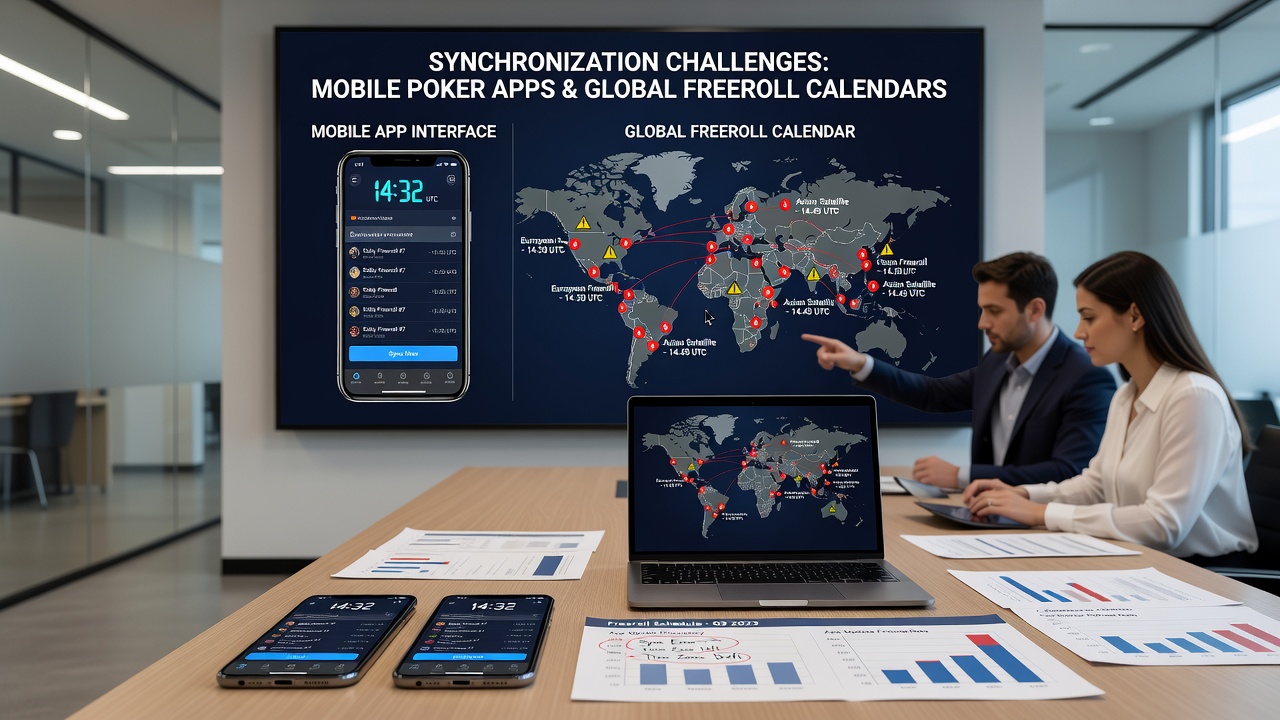
What's interesting is how these issues intersect with broader payment ecosystem changes, including the rise of digital wallet integrations that demand additional verification layers. Data shows that apps must now handle dynamic protocol handshakes while maintaining accurate freeroll timetables, leading developers to implement buffering mechanisms that sometimes delay calendar refreshes.
Network-Level Adaptations and Data Sharing Practices
Poker networks have responded by establishing more frequent API refresh cycles, though coordination with mobile developers remains inconsistent across operators. Research indicates that when deposit protocols evolve to include new compliance checks, the associated calendar feeds require simultaneous updates to prevent entry mismatches. Those monitoring these trends point to collaborative frameworks emerging in 2026 that aim to standardize how protocol changes propagate through app ecosystems and global schedules.
Yet the reality is that smaller operators struggle to maintain parity, resulting in fragmented calendar accuracy for users relying on single-app solutions. Evidence suggests that cross-platform tools could mitigate some synchronization challenges, but adoption varies widely depending on deposit infrastructure maturity in different regions.
Future Outlook for Integrated Systems
Analysts tracking these developments report ongoing efforts to embed deposit status indicators directly into freeroll calendar displays within mobile applications. Such features would allow users to see protocol-related restrictions alongside event listings, reducing instances of incomplete registrations. In practice, this requires sustained collaboration between app providers, payment processors, and tournament organizers to align update timelines effectively.
What's significant is that as deposit frameworks continue to mature, the underlying data pipelines supporting global freeroll calendars will need parallel refinements to sustain reliable synchronization. Observers note measurable progress in select markets where unified testing protocols have reduced lag times between changes on either side of the system.
Conclusion
Overall, synchronization challenges between mobile poker applications and worldwide freeroll calendars persist amid evolving deposit protocols, driven by technical, regulatory, and operational factors that intersect across international boundaries. Data indicates continued refinement in these areas as platforms adapt to new standards, with particular attention to integration points that affect player access in real time. Those following the sector anticipate further advancements in unified data handling as June 2026 transitions give way to subsequent protocol iterations.