Payment Innovations and Tournament Scheduling Reshape Engagement Patterns in Mobile Poker Platforms
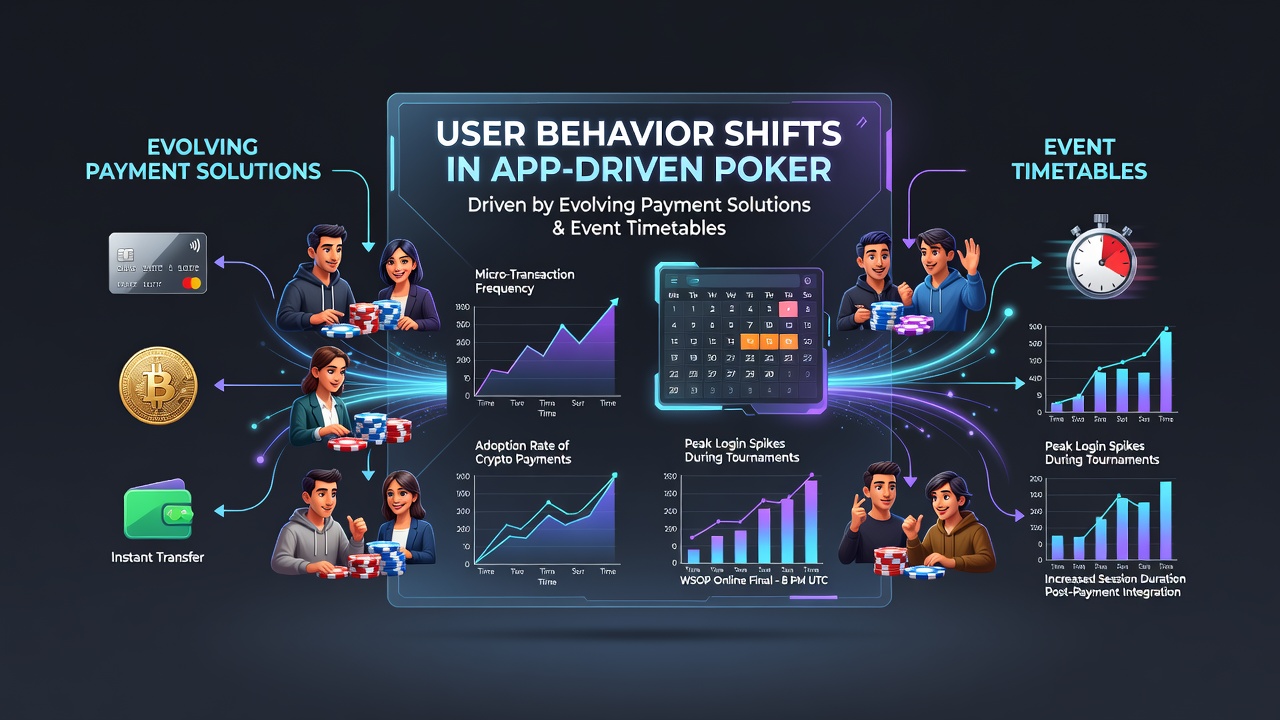
Digital payment solutions have expanded rapidly in app-driven poker settings, and these changes coincide with adjustments to global tournament timetables that alter when and how participants join events. Observers note that real-time funding tools now allow entries within minutes of schedule releases, which has shifted deposit timing away from traditional weekly cycles toward more immediate actions. Data from industry analyses show increased use of digital wallets and cryptocurrency options across multiple regions, with participation logs indicating that players complete transactions during short windows between work hours and evening sessions.
Payment Method Transitions Among Regular Participants
App users have moved toward integrated solutions that connect bank accounts directly to poker clients, and this transition appears in transaction records from 2025 into mid-2026. Reports compiled by research groups at institutions such as teh Nevada Gaming Control Board document a measurable rise in instant transfer volumes during tournament registration peaks. Those patterns emerge because platforms now embed multiple funding channels, which reduces the steps between deciding to enter and confirming a seat. Players in various time zones have responded by aligning deposits with live schedule updates rather than planning around batch processing delays that existed in earlier app versions.
Tournament Timetables Drive Behavioral Adjustments
Event calendars released by major networks have incorporated more frequent micro and mid-stakes options alongside flagship series, and this structure influences daily login habits. Figures from platform analytics reveal that users check in more often during afternoon blocks when new freeroll listings appear, compared with once-daily evening reviews common before 2024. The addition of rolling satellite formats creates shorter decision windows, so participants adjust their routines to monitor notifications rather than relying on weekly recaps. In July 2026 several networks introduced staggered start times across regions, which encouraged split-session participation where individuals join early stages from mobile devices and switch to desktop for later phases.
What's interesting is how these timetable shifts interact with payment speed. When schedules drop with only hours until registration closes, the availability of same-minute funding becomes central to whether a player completes the entry. Records indicate that networks offering combined wallet and schedule alerts see higher completion rates for last-minute signups than those requiring separate external transfers.

Regional Variations in Adoption and Timing
Geographic differences appear in how payment tools and schedules intersect. In markets with established digital currency regulations, such as those overseen by the Malta Gaming Authority, app logs show faster uptake of crypto deposits timed to international series starts. Australian data tracked by communications regulators highlight preferences for local instant-pay services that align with evening tournament blocks in the Asia-Pacific region. European platforms, meanwhile, report steady growth in e-wallet usage during morning satellite windows that feed into larger summer events. These variations suggest that local infrastructure and regulatory environments shape the precise hours when users execute deposits relative to published timetables.
Software Updates and Participation Metrics
Client refinements that embed payment and schedule features in single dashboards have coincided with changes in session length and frequency. Platform operators tracking user flows note that individuals now spend more time inside apps reviewing upcoming listings immediately after funding an account, rather than exiting and returning later. Studies compiled by academic groups at the University of Nevada, Las Vegas, link these interface adjustments to measurable increases in multi-tournament entries per week among consistent users. The integration reduces friction between funding decisions and schedule selection, which in turn affects how players allocate bankrolls across overlapping events.
Observed Patterns in Entry Volume and Deposit Frequency
Industry reports covering the first half of 2026 indicate that average deposits per active account have risen modestly while the interval between deposits has shortened. This occurs alongside the proliferation of daily and twice-daily tournament options that replace older weekly structures. Participants appear to treat smaller, recurring entries as part of routine app interaction instead of isolated planning events. Data sets from trade associations such as the European Gaming and Betting Association further show that networks publishing unified calendars with embedded deposit prompts experience steadier volume across time zones than those maintaining separate schedule and cashier sections.
Conclusion
Payment solution advances and evolving event timetables have together produced measurable shifts in how users interact with app-based poker environments. Transaction timing now tracks closely with schedule releases, regional infrastructure influences tool preferences, and software integrations support quicker transitions from funding to participation. These developments continue to unfold as networks refine both payment channels and calendar structures through 2026 and beyond.