Real-Time Funding Solutions Reshape Global Digital Card Competition Entry Behaviors
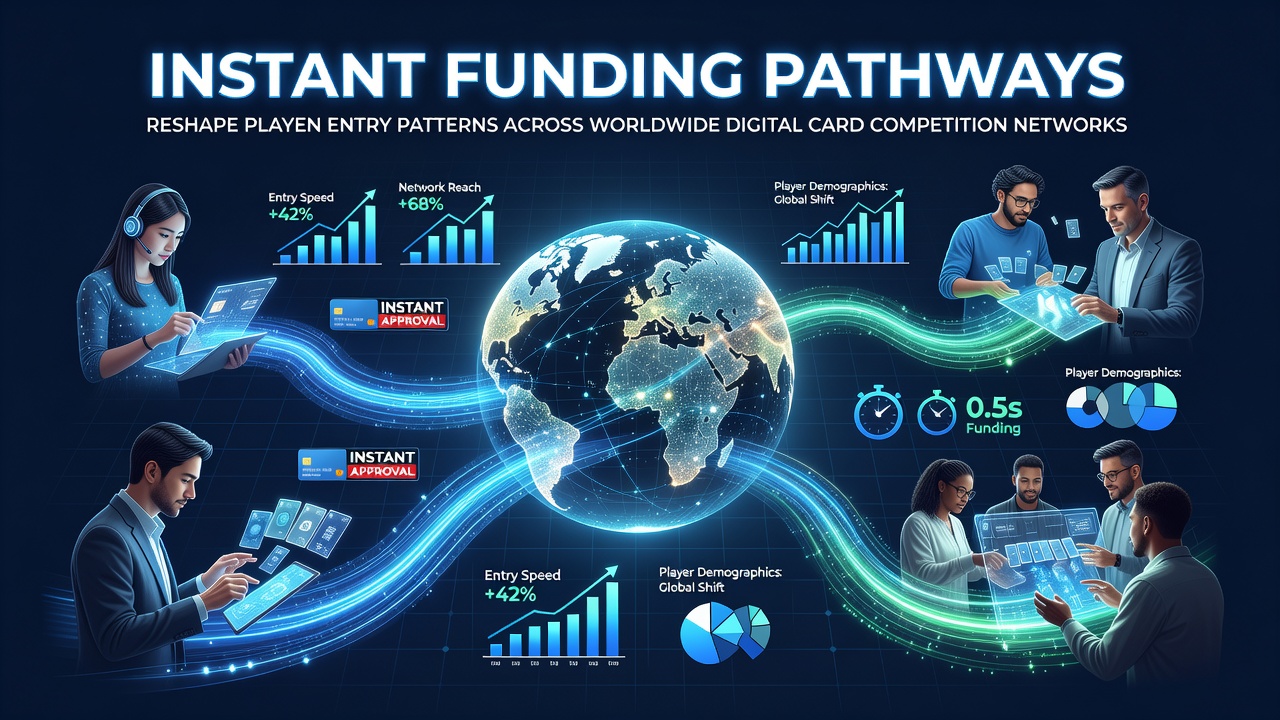
Digital card competition networks have seen entry patterns shift as instant funding pathways expand access to tournaments and cash games across multiple regions, and data from industry reports shows these changes accelerating through mid-2026. Platforms now integrate e-wallets, instant bank transfers, and cryptocurrency options that reduce the time between deposit initiation and table seating from hours to seconds in many cases, while regulatory frameworks in places like Nevada and parts of Australia continue to shape how these tools operate.
Research indicates that players in high-volume networks enter events more frequently when funding clears immediately, because delays previously created friction that led some participants to abandon planned sessions. According to figures from the Nevada Gaming Control Board, transaction speeds on licensed platforms improved notably between 2024 and 2026, correlating with steadier participation rates during peak evening hours in the Pacific time zone.
Mechanics Behind Instant Funding Pathways
Instant funding works through partnerships between poker operators and payment processors that pre-authorize transfers or use blockchain confirmations for crypto deposits, and these systems allow accounts to update balances without waiting for traditional clearing periods. Players often combine multiple methods in a single session, moving from a credit-linked wallet to a direct bank push when one option hits daily limits, which creates layered entry sequences that did not exist five years earlier.
Observers note that software updates rolled out in early 2026 introduced one-click rebuys funded by stored instant methods, reducing the steps required to stay active in multi-table tournaments. This matters because tournaments scheduled for June 2026 on major networks now list higher average field sizes during periods when instant options are promoted through in-app notifications.
Shifts in Worldwide Participation Patterns
Entry data across networks reveals that regions with widespread instant bank transfer availability experience spikes in micro-stakes tournament registrations during lunch breaks and late-night windows, whereas areas still reliant on slower ACH-style transfers show flatter curves. European operators report similar trends following the expansion of open-banking directives, which let verified users move funds in under ten seconds from connected accounts.
One study tracking Asian market platforms found that crypto-enabled instant deposits increased repeat daily entries by allowing players to top up between events without leaving the client interface. These patterns hold steady even when overall network traffic remains constant, suggesting redistribution rather than pure growth in total player hours.
Regional Differences and Regulatory Influences
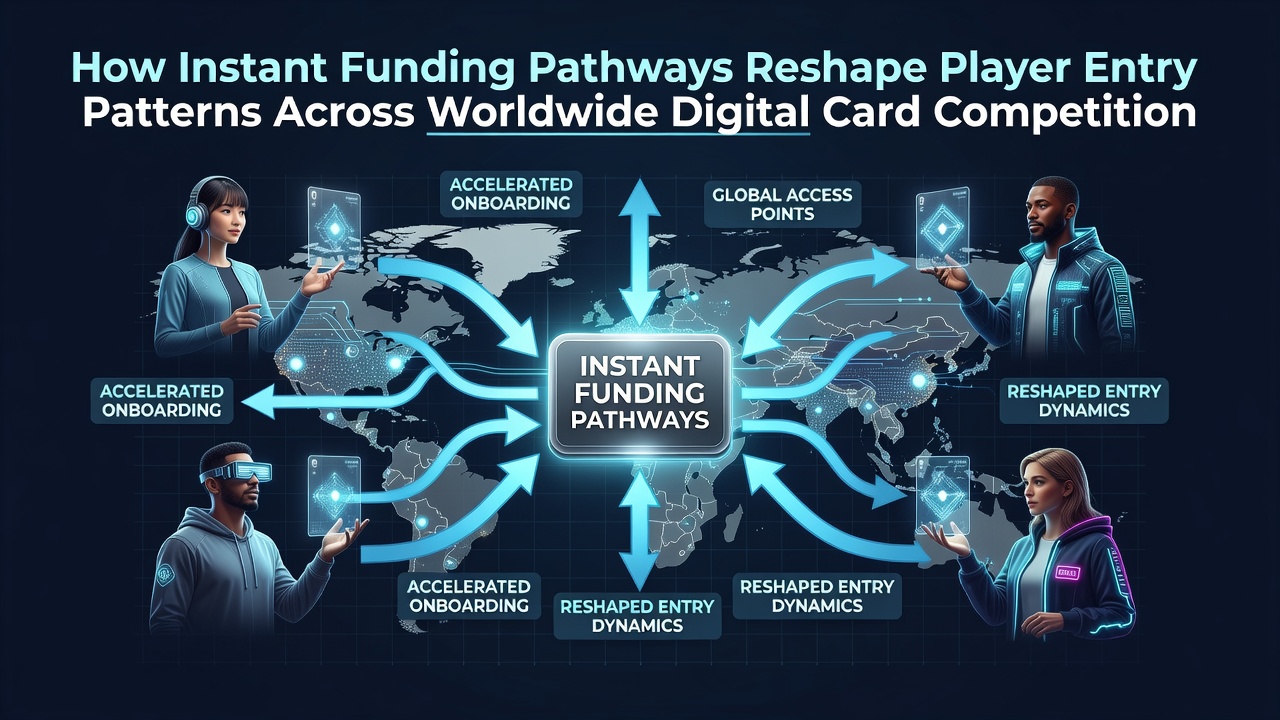
Canadian provincial frameworks permit certain instant e-wallet pairings that differ from U.S. state-by-state rules, and this variation produces distinct entry timing across the two markets. Australian players benefit from local bank integrations that clear during business hours, which aligns tournament starts with after-work windows in major cities. In contrast, some Latin American networks rely more heavily on crypto rails because traditional banking rails face longer settlement times, leading to higher evening entry clusters when blockchain networks experience lower congestion.
Industry organizations such as the European Gaming and Betting Association have documented how standardized instant payment interfaces reduce drop-off rates at the deposit stage, and this documentation covers multiple member countries rather than a single jurisdiction. Those who've examined the datasets note that networks offering the widest range of instant options also maintain more consistent satellite qualification flows into larger events.
Effects on Tournament Structures and Player Strategies
Tournament organizers adjust guarantee levels and starting times based on observed entry velocity tied to funding speed, and June 2026 schedules reflect these adjustments with more overlay-protected events during periods of historically slower funding adoption. Players adapt by maintaining multiple verified funding sources, switching between them when one processor experiences temporary slowdowns, which keeps participation steady even during platform maintenance windows.
Network analytics show that instant pathways correlate with higher multi-tabling rates because replenishment happens without browser or app switching, and this holds across both cash game and tournament formats. Yet operators still monitor for velocity limits imposed by payment partners, because exceeding those thresholds can temporarily revert accounts to standard processing times.
Conclusion
Instant funding pathways continue to influence when and how participants join digital card competitions on a global scale, with measurable effects on entry timing, frequency, and regional distribution through 2026. Networks that expand compatible options see steadier flows into scheduled events, while regulatory environments determine which methods reach the widest user bases. Data from sources including the Nevada Gaming Control Board and reports compiled by the European Gaming and Betting Association illustrate these ongoing adjustments without predicting future outcomes.