Transitions in Deposit Methods Among Regular Online Poker Tournament Players
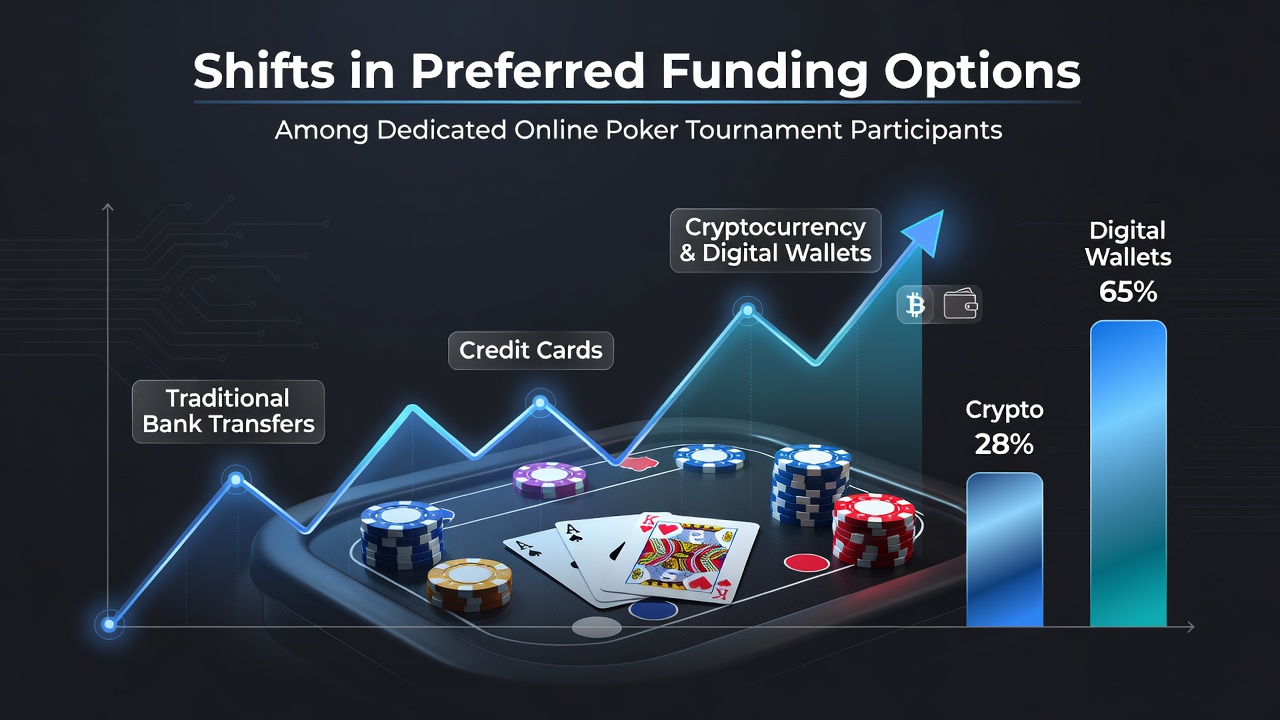
Online poker tournament participants have adjusted their deposit habits over recent years as platform features and regulatory environments evolved, with data from multiple regions showing clear movement toward faster and more integrated payment solutions. Researchers tracking player behavior noted that dedicated grinders often prioritize methods offering quick access to tournament lobbies while minimizing transaction fees and processing delays, and these patterns became especially visible by mid-2026.
From Cards and Transfers to Digital Alternatives
Traditional credit and debit card deposits once dominated entry funding for online tournaments yet many regulars shifted away from them because of occasional authorization holds and higher processing costs that cut into smaller buy-in margins. Observers noted that bank wire options still appear in high-volume accounts but their slower confirmation times pushed players toward e-wallets and instant bank transfers that complete in seconds rather than hours. In June 2026 several major networks reported that e-wallet usage among consistent tournament entrants had climbed past 55 percent in tracked markets, according to figures compiled by the European Gaming and Betting Association.
Those who've followed these trends point out that seamless mobile integration plays a central role in the change, since players frequently register for events on phones or tablets during commutes or breaks. Platforms responded by embedding digital wallet buttons directly in tournament software so funding and entry happen without leaving the app interface, and this convenience encouraged further migration away from older card-based flows.
Cryptocurrency Adoption and Speed Advantages
Bitcoin and other digital currencies gained ground among serious tournament players who value near-instant settlements and reduced third-party oversight during international transfers. Data from platform analytics showed that crypto-funded accounts often entered more multi-table events per session because reloads occurred without waiting for banking hours or currency conversion holds. One study released by the Nevada Gaming Control Board in early 2026 highlighted a 28 percent rise in cryptocurrency tournament deposits across US-facing sites compared with the previous year, linking the increase to improved wallet integrations and clearer tax reporting tools.
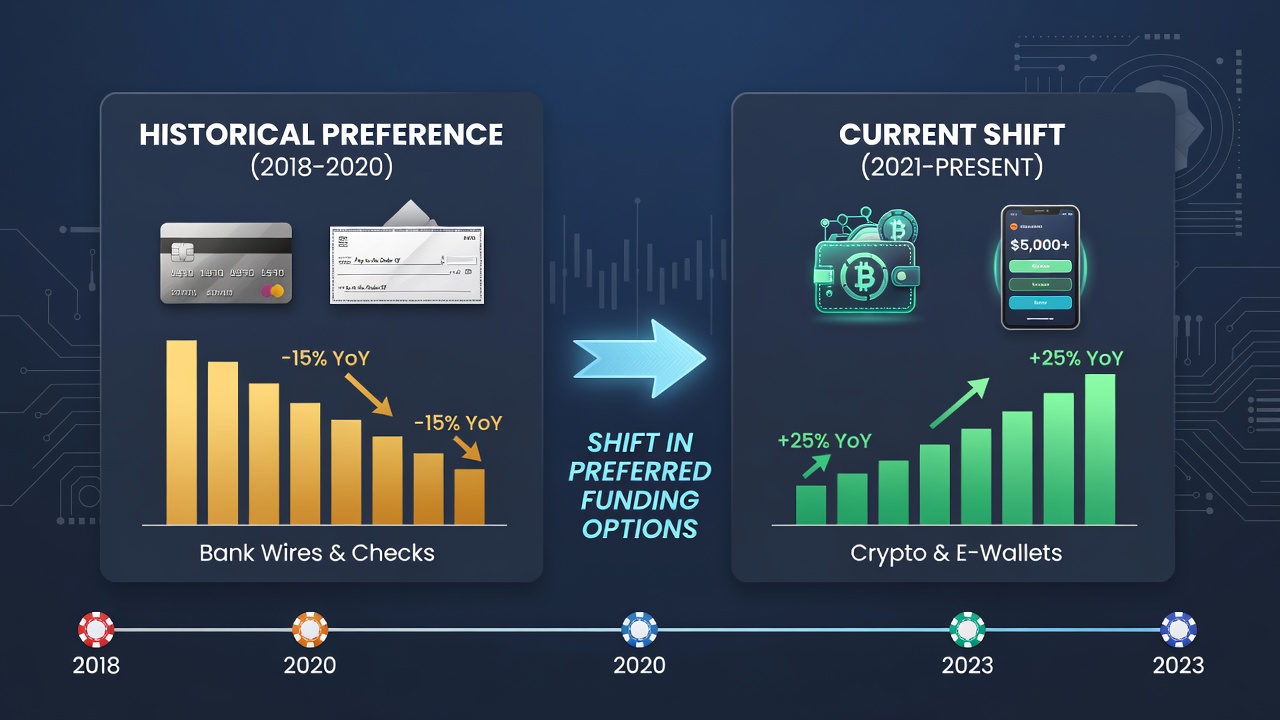
Yet the same research indicated that volatility concerns still limit crypto to a subset of participants, with many alternating between stablecoin options and traditional e-wallets depending on market conditions. Players who maintain large bankrolls sometimes keep parallel funding streams so they can switch methods when exchange rates or network fees shift unexpectedly.
Regional Patterns and Platform Responses
European markets displayed stronger movement toward regulated e-wallets tied to local banking systems while North American users leaned more heavily on crypto and prepaid voucher systems that bypass certain card restrictions. Australian and Canadian platforms recorded similar upticks in instant bank transfer usage after regulators approved faster settlement rails, allowing participants to move funds directly from checking accounts into tournament balances within minutes. These geographic differences reflect varying rules on payment processor licensing and data reporting rather than any single global preference.
Software providers adjusted their interfaces accordingly, adding region-specific default options and real-time fee calculators that display total costs before confirmation. Tournament calendars now sync with funding windows so players can top up during satellite qualifiers or late-registration periods without missing starting times, and this alignment further reinforced the move toward instantaneous methods.
Conclusion
Payment preferences among dedicated online poker tournament participants continue to evolve in step with technology updates and regulatory adjustments, producing measurable changes in how funds reach tournament lobbies. Tracking data through 2026 shows sustained interest in speed and integration while older card and wire methods persist mainly for larger or less frequent transactions. The patterns suggest ongoing refinement rather than wholesale replacement of any single option as platforms and players adapt to each new development.