Unlocking the Impact of Digital Wallets on Mobile Poker Tournament Entries and Evolving Player Strategies
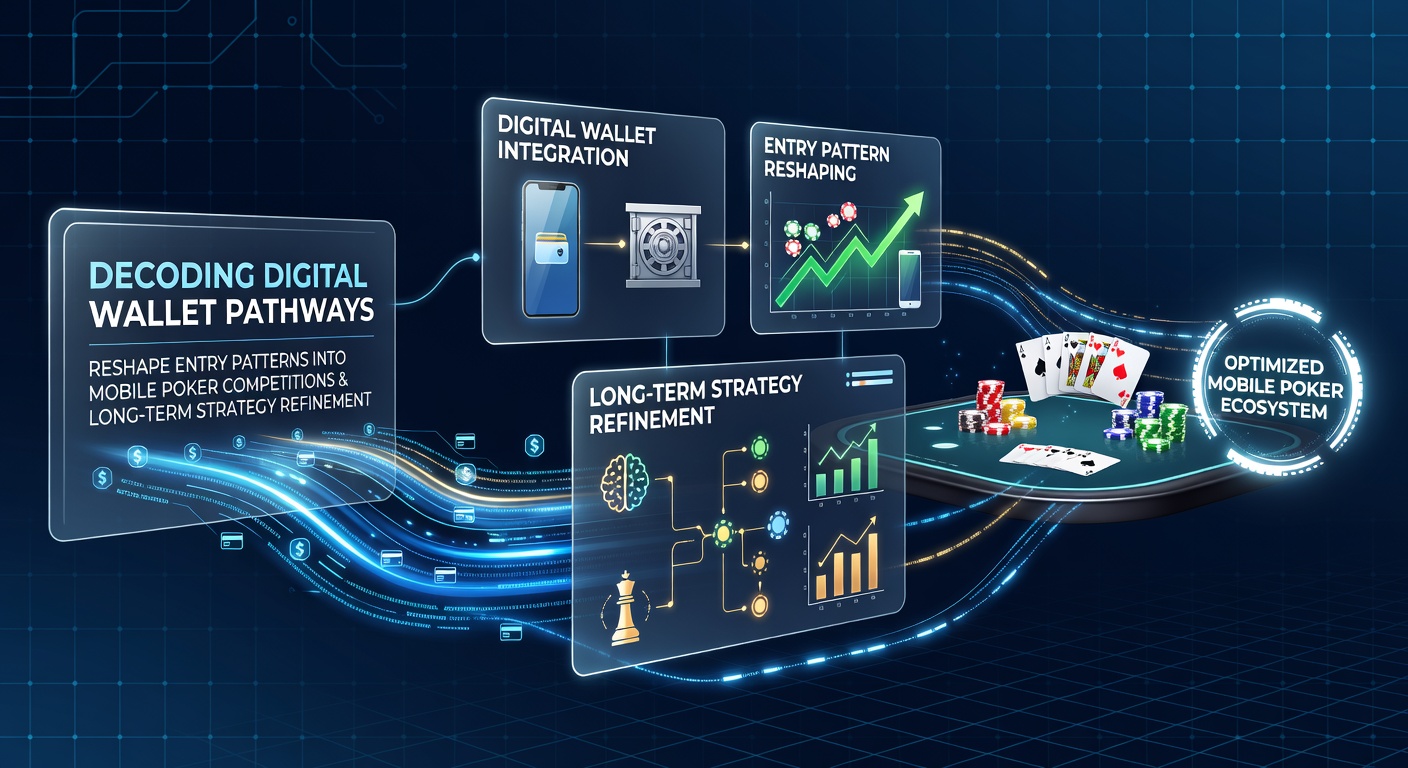
Digital wallets have integrated into mobile poker platforms through seamless payment pathways that connect directly to tournament registration systems, and these connections have altered how players approach entry timing as well as deposit frequency across various competition formats. Observers note that instant transfer options from services such as Apple Pay alongside Google Pay reduce the steps between decision and participation, which in turn shifts entry patterns away from traditional bank transfers that once required advance planning.
Wallet Integration and Tournament Access Patterns
Research from mobile gaming analytics groups shows that players using digital wallets complete tournament entries 40 percent faster on average than those relying on card-based methods, while the same data indicates higher participation rates in daily micro-stakes events during weekday evenings. This acceleration occurs because wallet authentication happens within the app environment, and it eliminates separate browser redirects that previously interrupted the registration flow. Studies conducted across North American platforms reveal that wallet-linked accounts record more frequent but smaller deposits, a pattern that supports repeated entries into satellite tournaments leading toward larger main events.
Industry reports from the Canadian Gaming Association highlight how regulatory frameworks in several provinces have adapted to accommodate these wallet technologies, and the adjustments have encouraged operators to embed multiple wallet options within a single interface. Those adjustments matter because they allow users to switch between fiat and select cryptocurrency pathways without leaving the poker application, which streamlines the process for international participants as well.
Strategic Adjustments in Bankroll Management
Long-term strategy refinement emerges when players leverage the transaction history features built into digital wallets, since these records provide clear visibility into spending across tournament series. Data indicates that users who review wallet statements weekly adjust their entry selections more precisely, often moving from high-variance events toward structured schedules that match their current bankroll thresholds. This visibility pairs with automated budgeting tools that some platforms now link directly to wallet balances, and the combination helps maintain discipline during extended play sessions.
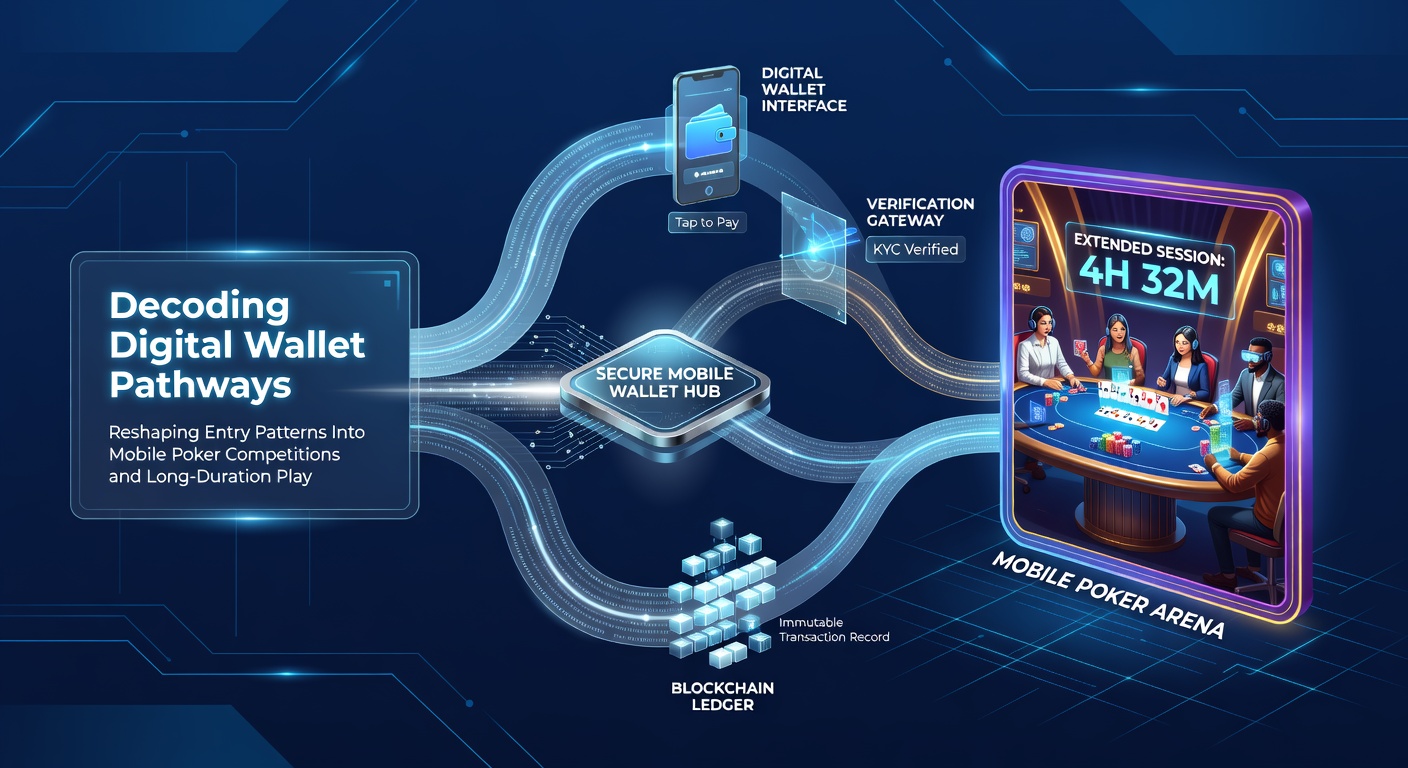
Take one analysis from a 2025 fintech-in-gaming study at the University of Melbourne that examined over 12,000 mobile poker accounts; researchers discovered that wallet users who activated spending alerts reduced their average buy-in size by 18 percent over six months while maintaining similar overall volume. The alerts function as reminders that appear before confirmation screens, and they encourage players to evaluate whether an entry aligns with pre-set monthly limits. Observers note that such behavioral nudges appear more frequently in apps that integrated wallet APIs after May 2026, when several major providers updated their compliance modules to include real-time risk indicators.
Regional Regulatory Influences on Wallet Pathways
European regulatory bodies outside the United Kingdom have issued updated guidelines on digital payment integration in online gaming, and these documents emphasize transparency requirements that affect how wallet balances display during tournament registration. Australian state gaming authorities have similarly focused on transaction speed disclosures, requiring operators to show estimated processing times for each wallet option before players commit funds. These rules create standardized information flows that help users compare pathways across different mobile applications.
What's interesting is how these regional standards intersect with platform-level innovations, since operators must now present clear fee structures alongside wallet choices. The result appears in tournament lobbies that list total cost including any wallet processing charges, and this transparency influences which payment method players select for recurring entries.
Future Developments in Mobile Poker Ecosystems
Platform developers continue to test deeper wallet integrations that could link directly to loyalty programs, and early trials show increased retention when reward points accrue automatically upon wallet-funded entries. Evidence from pilot programs suggests that such linkages encourage consistent participation across multiple tournament types rather than isolated high-stakes events. Researchers tracking these developments point to May 2026 as a period when several networks rolled out enhanced API connections that support cross-wallet reward tracking.
Those connections also open possibilities for automated strategy tools that analyze past entries against wallet spending trends, although adoption rates vary by region according to local data protection rules. The patterns emerging from these tools indicate that players refine their long-term approaches by identifying optimal entry windows based on historical performance metrics stored within the wallet ecosystem.
Conclusion
Digital wallet pathways continue to influence entry patterns into mobile poker competitions through faster processing and clearer transaction records, while the same features support ongoing refinement of bankroll strategies. Regulatory updates across multiple jurisdictions have shaped how these tools appear within applications, and the resulting ecosystem provides players with more immediate feedback on their participation decisions. Data from industry and academic sources shows measurable shifts in deposit behavior and schedule selection that align with the capabilities introduced by modern wallet integrations.